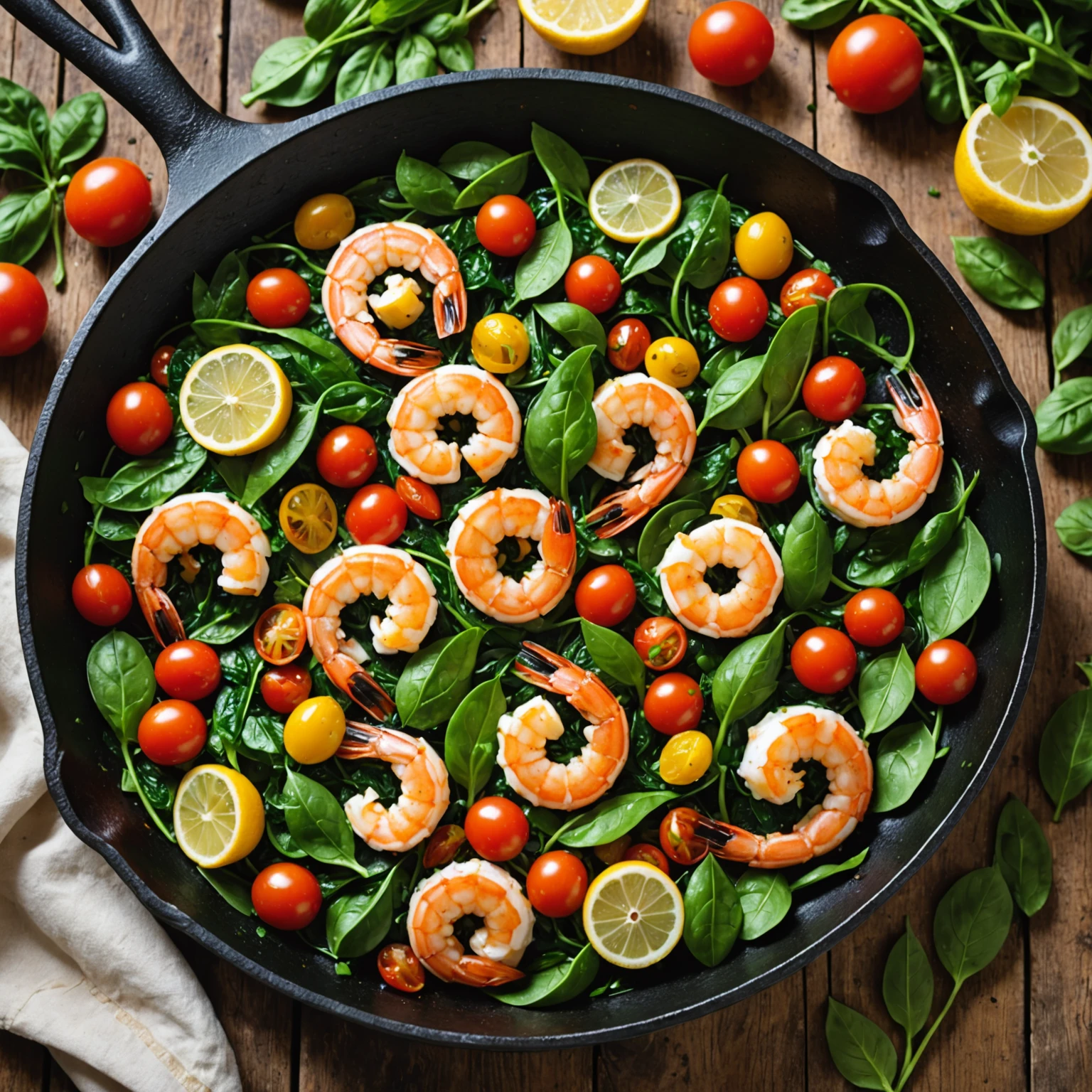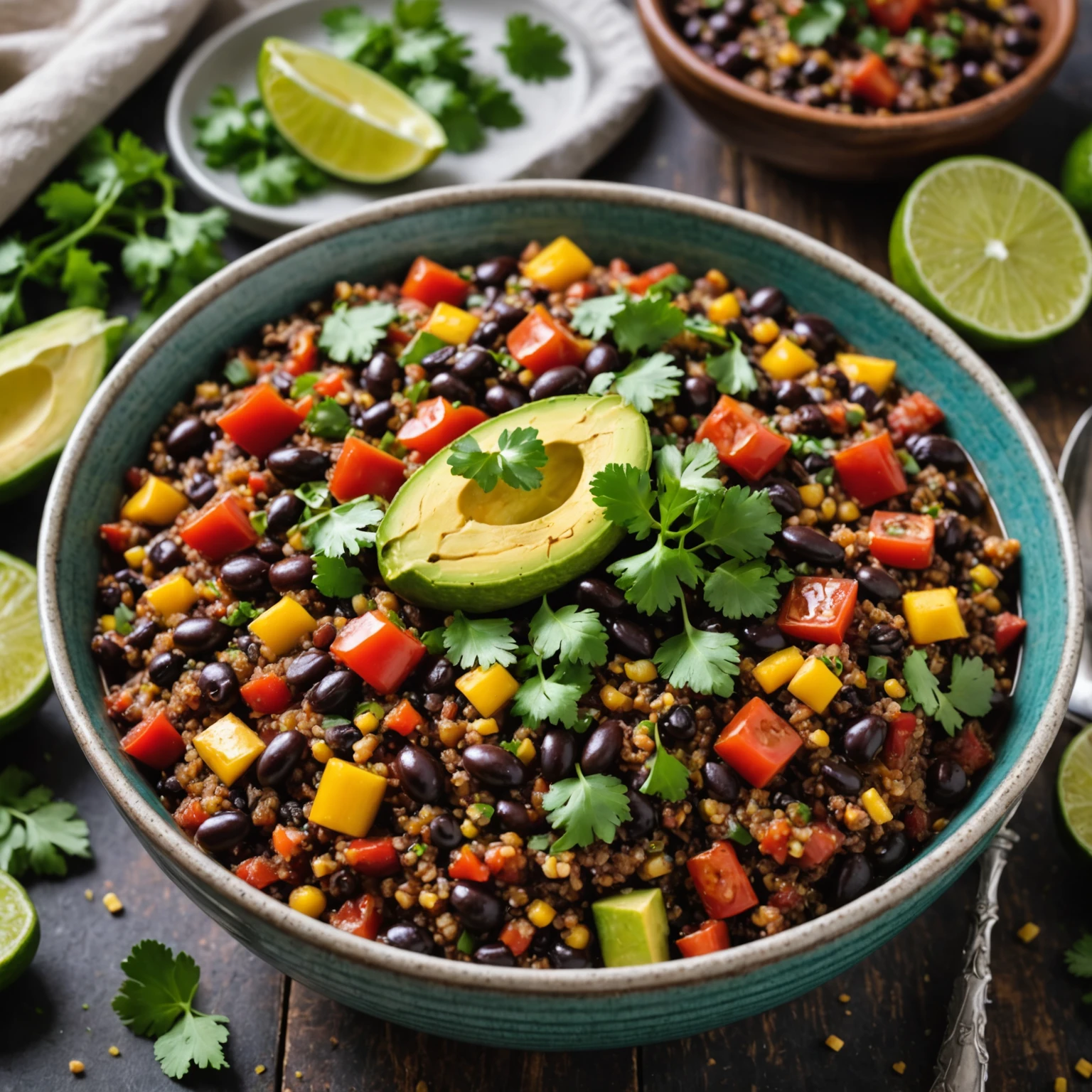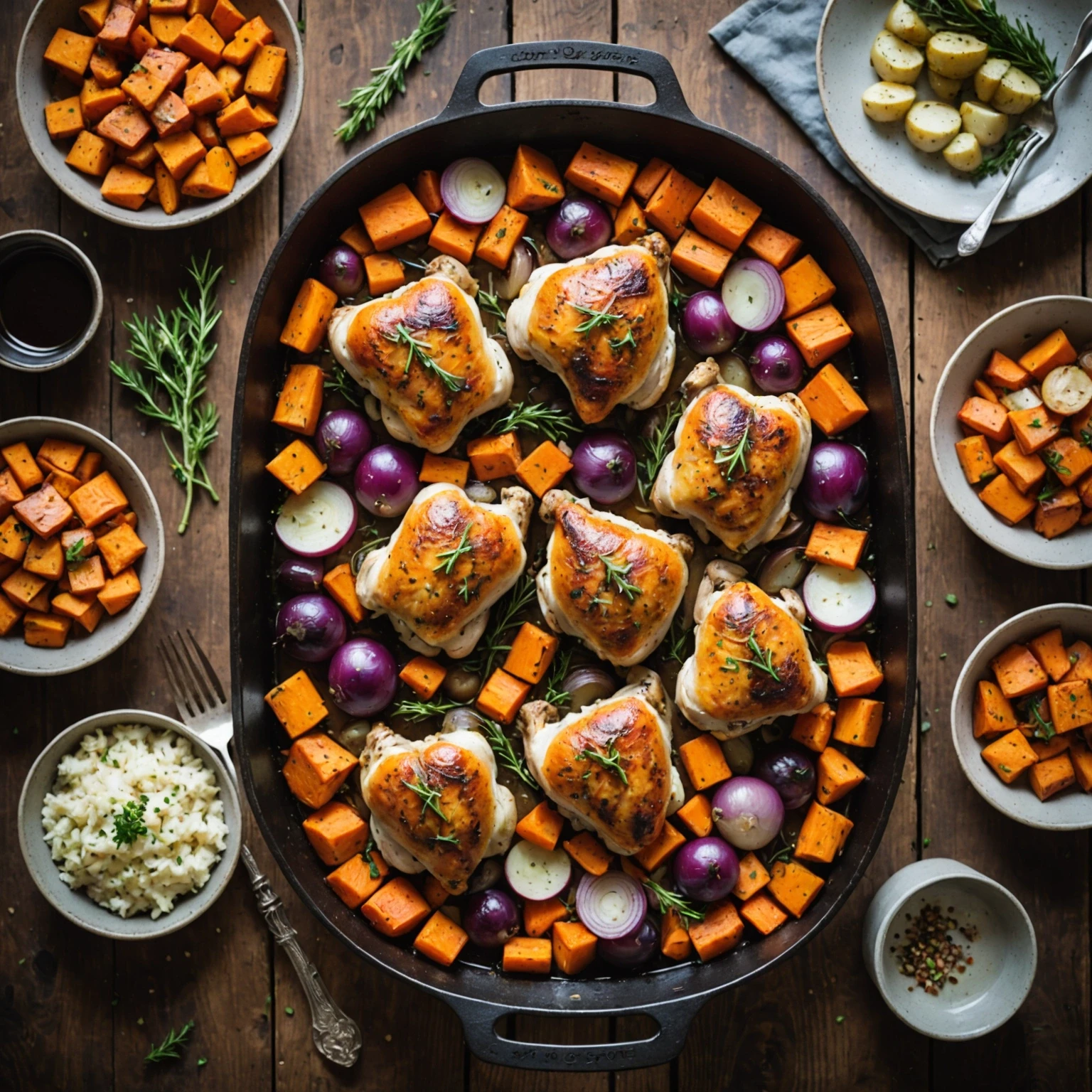
One-pan dinners provide families with a simple and efficient way to prepare practical meals with minimal effort. However, when feeding picky eaters, the challenge extends beyond convenience to accommodating selective tastes and preferences. Making one-pan meals practical requires understanding children’s flavor likes, texture sensitivities, and mealtime habits. The following practical strategies will help you transform wholesome one-pan dishes into appealing meals that satisfy both children and adults alike.
1. Build on Familiar Flavors
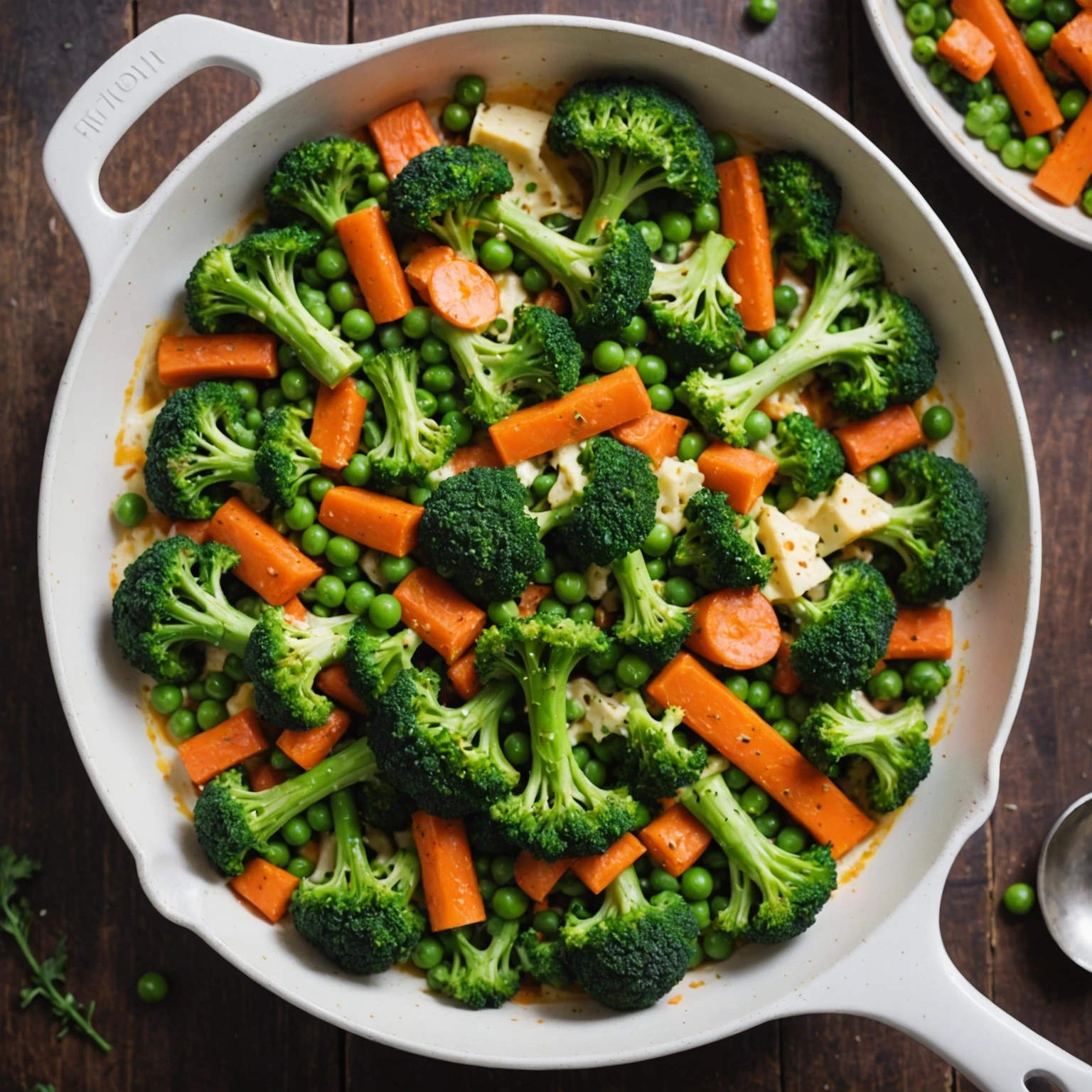
Introducing new ingredients is easier when combined with flavors that children already appreciate. Using mild proteins such as roasted chicken thighs alongside classic vegetables like carrots or potatoes creates a comforting foundation. This familiar base reduces mealtime resistance and encourages openness to trying new foods over time. For inspiration, see our One-Pan Herb-Roasted Chicken with Root Vegetables.
2. Prioritize Kid-Preferred Textures
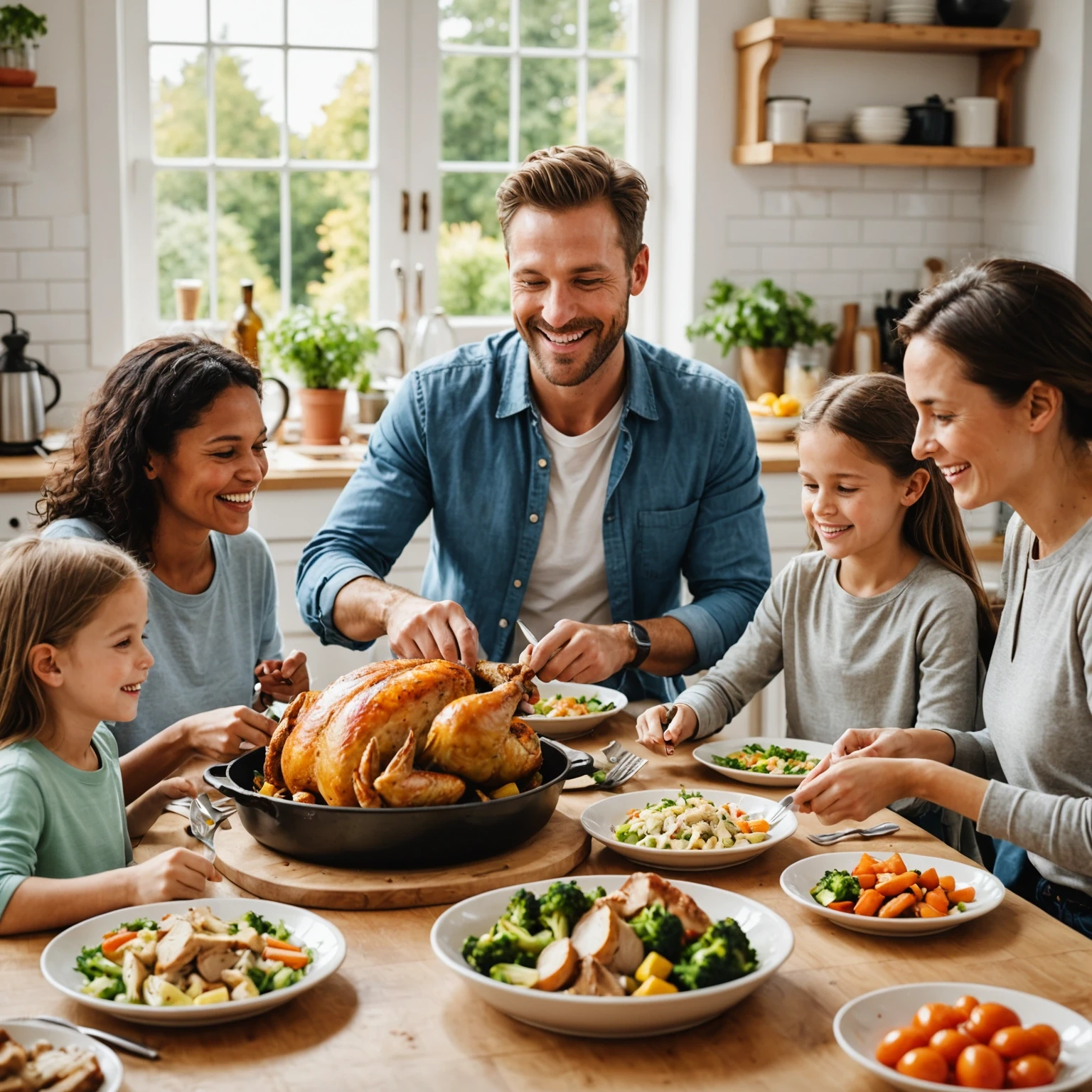
Texture plays a critical role in children’s food acceptance. Soft, tender textures generally appeal more to young eaters. One-pan cooking naturally yields juicy proteins and well-roasted vegetables, but be mindful to avoid overcooking, which can cause mushiness, or undercooking, which may result in an unpleasant crunch. Roasting vegetables just until tender preserves an enjoyable bite.
3. Boost Visual Appeal with Colorful Ingredients and Presentation
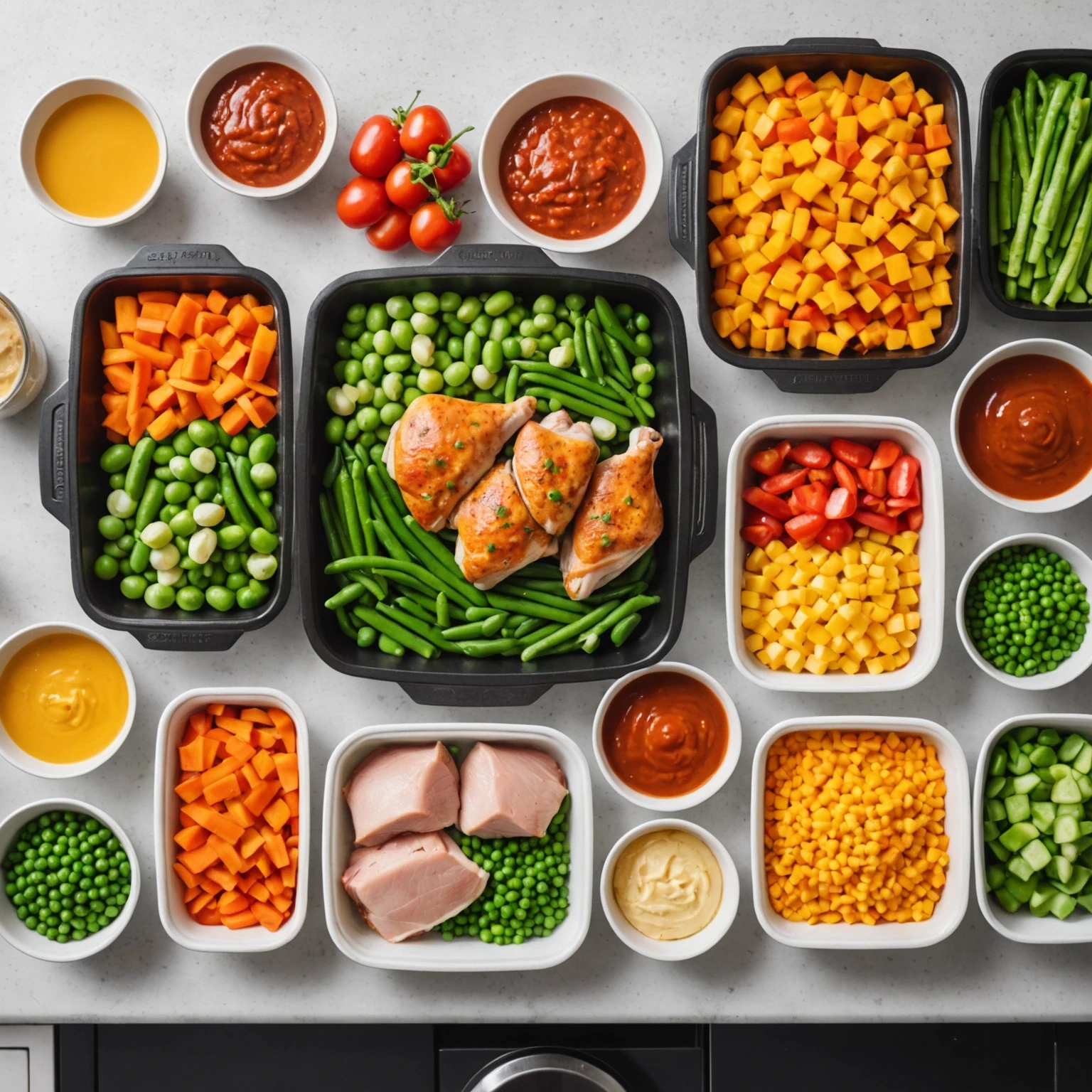
Bright, vibrant foods attract kids’ attention and increase interest in eating. Incorporate a variety of colorful vegetables such as carrots, bell peppers, and peas to enhance the visual appeal of one-pan meals. Engaging children by involving them in plating or serving can also motivate them to try new dishes.
4. Allow Simple Post-Cooking Customizations
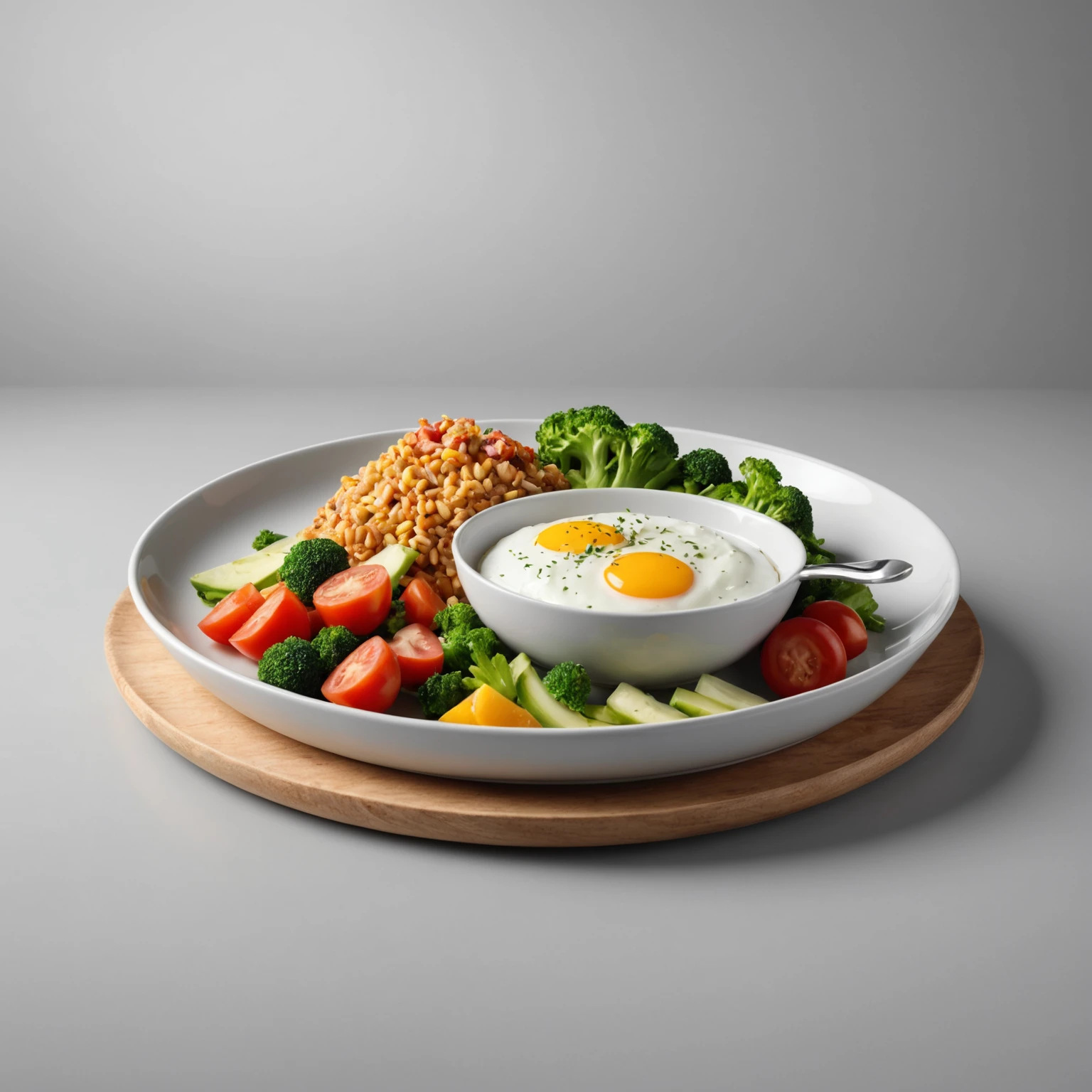
Although one-pan meals emphasize streamlined preparation, offering options for post-cooking customization helps address individual preferences. Set aside certain ingredients during cooking or provide toppings like mild cheeses, yogurt dips, or gentle sauces, allowing children to personalize their plates and enjoy their meals more.
5. Balance Nutrition with Small, Appealing Additions
One-pan dinners can deliver balanced nutrition by combining proteins, vegetables, and carbohydrates. Incorporating subtle indulgences—such as a light sprinkle of mild cheddar or the natural sweetness of roasted root vegetables—can enhance flavor appeal while supporting practical eating habits.
6. Cultivate a Positive and Shared Mealtime Atmosphere
Children often reflect adult attitudes toward food. Creating a relaxed, screen-free environment where the family enjoys one-pan meals together fosters positive associations with food. Discussing flavors and textures during meals encourages curiosity and willingness to try new dishes.
7. Plan and Prepare Ahead to Minimize Mealtime Stress
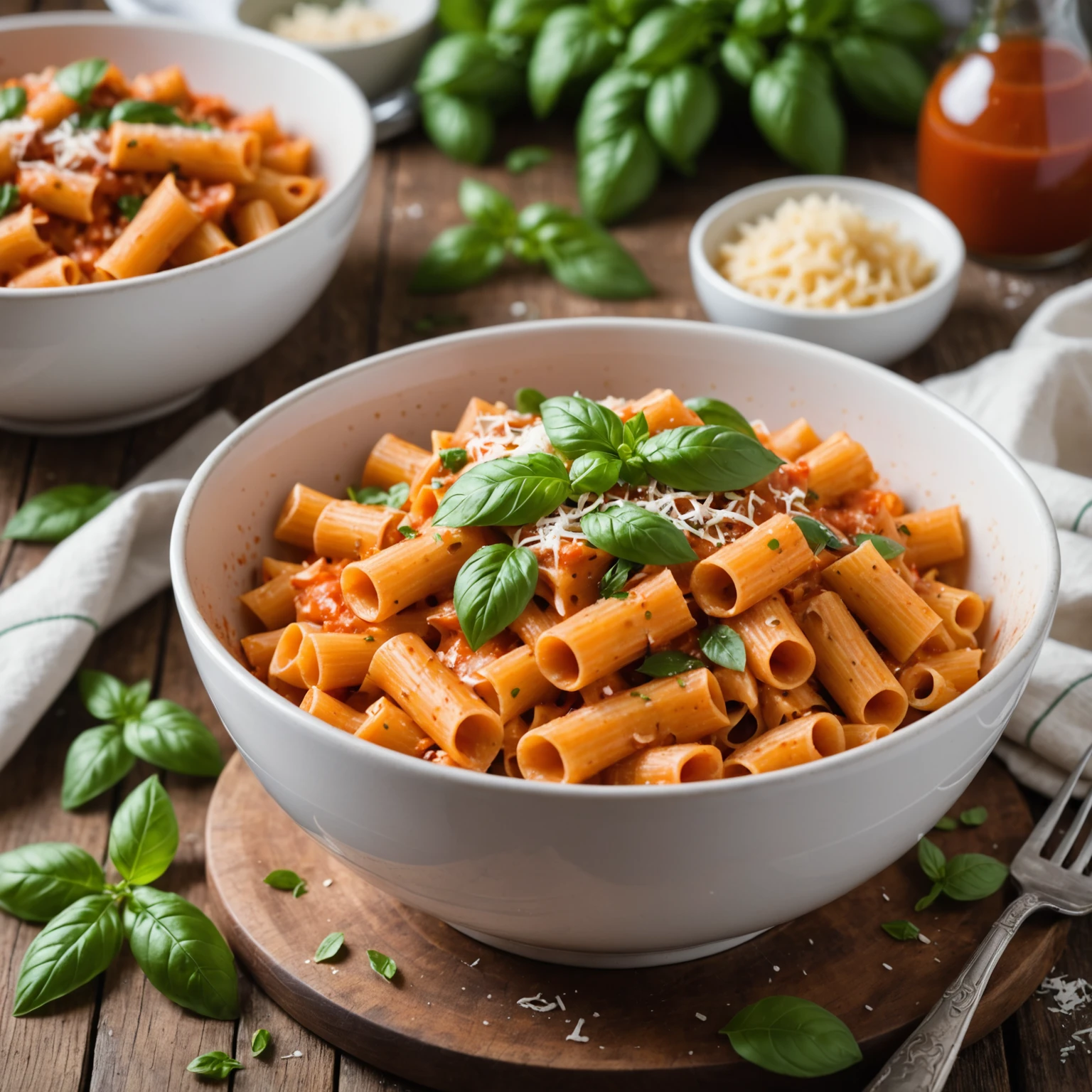
Advance planning benefits busy families by reducing last-minute pressure. Prepping ingredients in advance or preparing practical one-pan meals, such as our One-Pot practical Chicken and Vegetable Mac and Cheese, streamlines dinner routines and ensures consistent access to practical meals.
Conclusion
Creating practical one-pan dinners extends beyond minor ingredient adjustments. It involves cultivating positive food experiences through familiar tastes, appealing textures, vibrant presentations, and thoughtful mealtime routines. By implementing these strategies, families can enjoy satisfying and practical meals that bring even the pickiest eaters eagerly to the table.