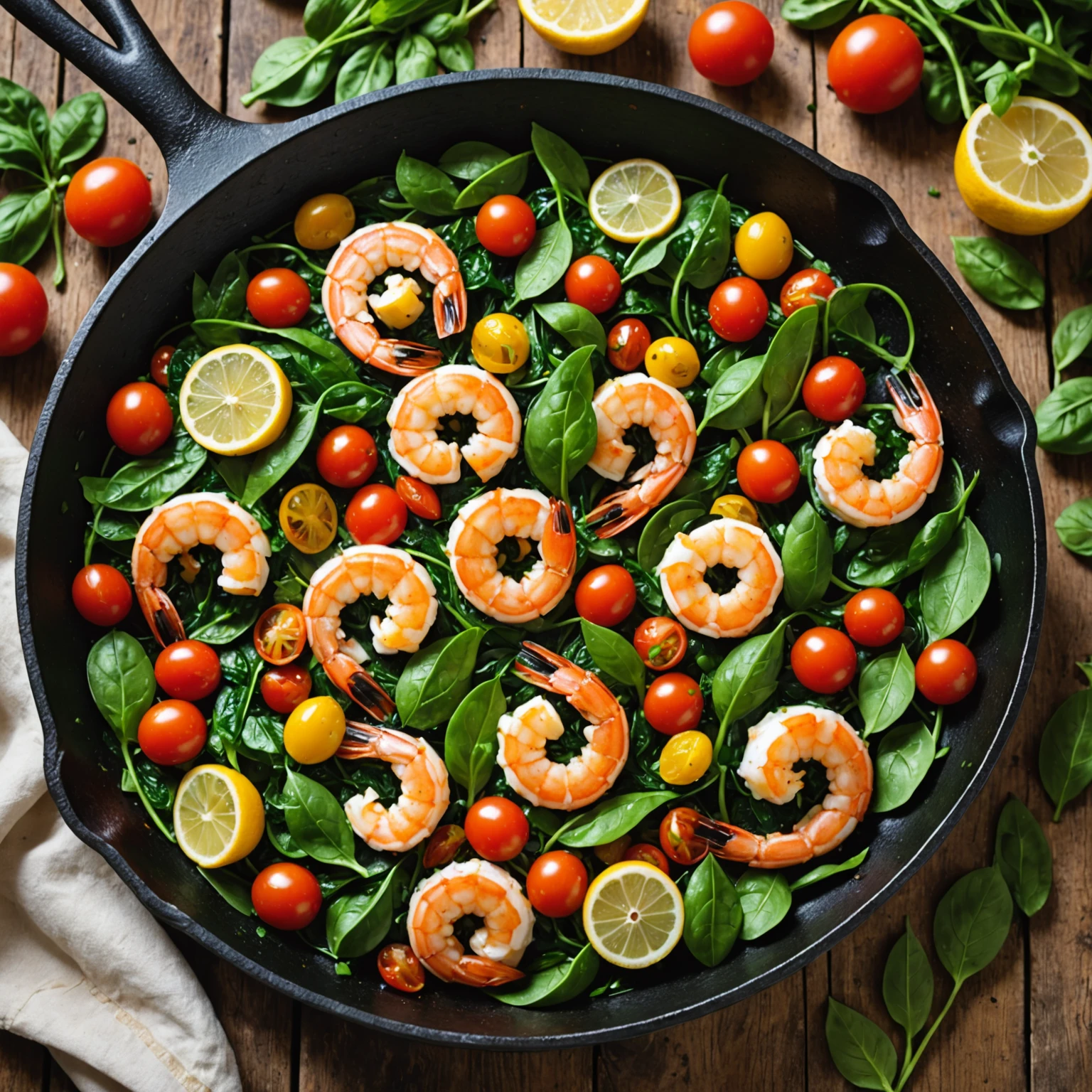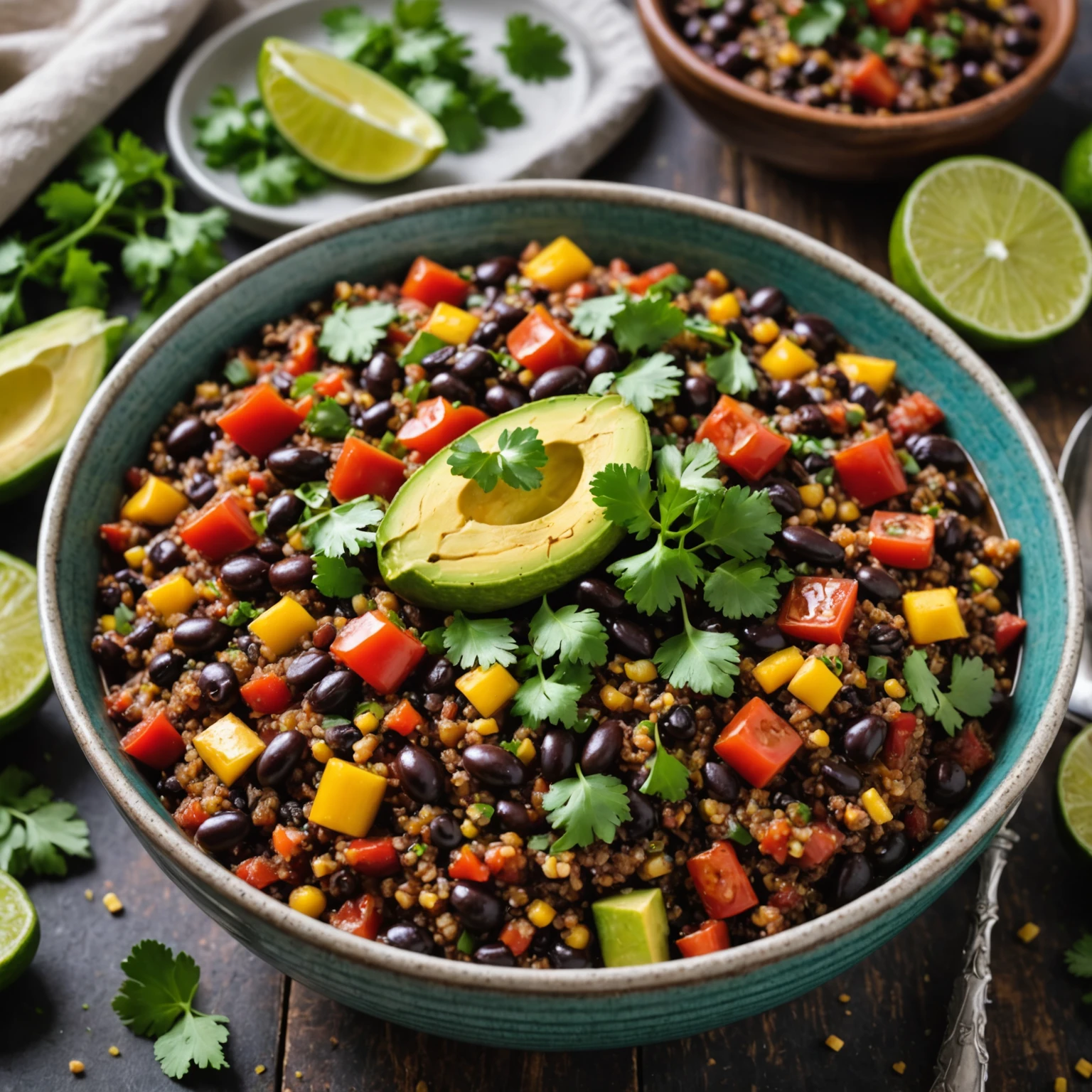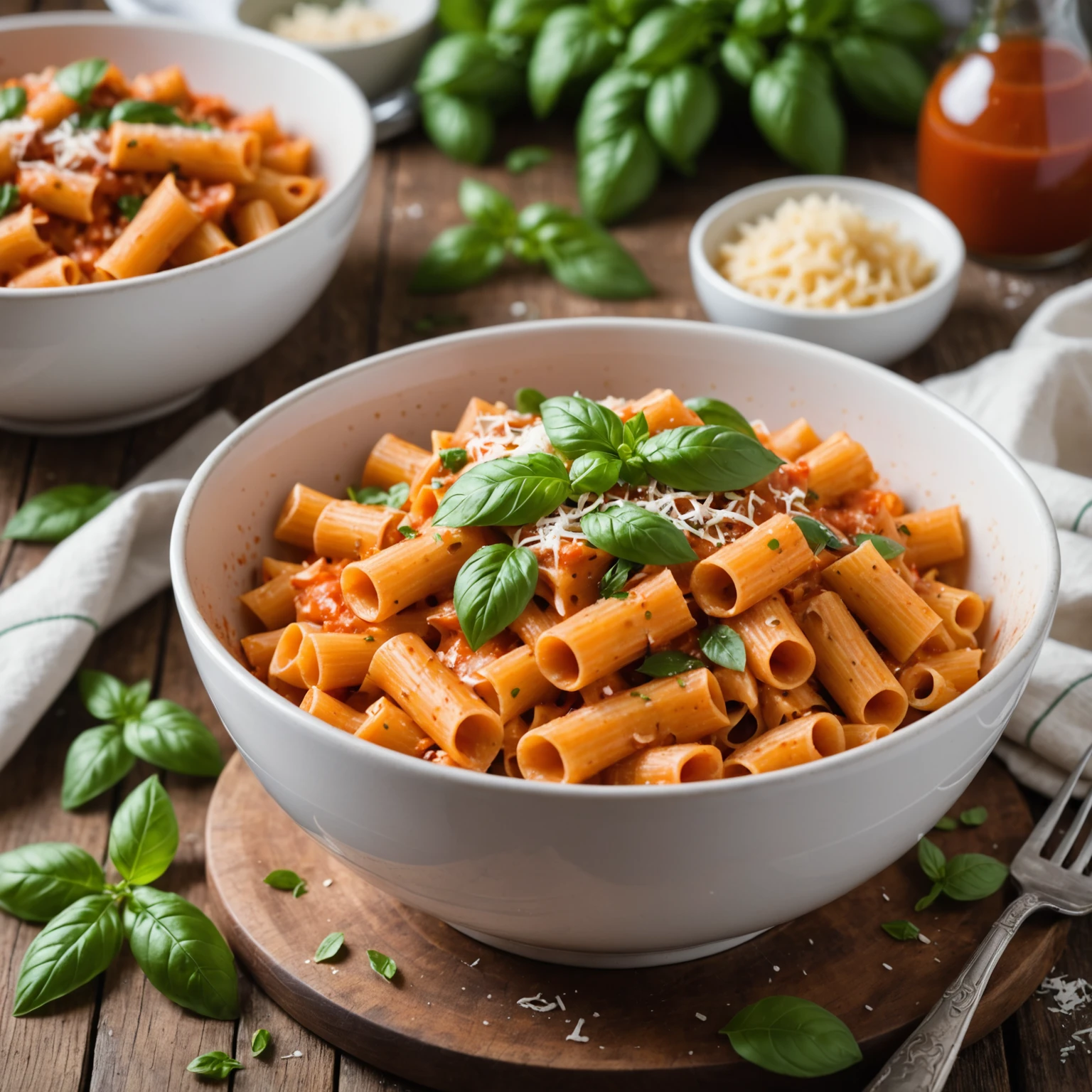
One-pot cooking remains celebrated not only for its simplicity and fast cleanup but also for its ability to produce meals rich in both flavor and nutrition. When executed thoughtfully, one-pot dishes transform from basic combinations into harmonious, nutrient-dense meals. This guide explores proven techniques designed to refine your one-pot cooking skills by maximizing taste and health benefits, all while streamlining your kitchen routine.
Unlocking the Full Potential of One-Pot Cooking
While one-pot meals simplify preparation and cleanup, their culinary advantages extend much further. Cooking all ingredients in a single vessel promotes the natural melding of flavors, generating complex, layered taste profiles. Additionally, consolidated cooking stages can enhance nutrient retention by reducing the loss commonly associated with separate cooking processes.
Flavor Layering: Creating Complexity Step-by-Step
To develop depth in one-pot dishes, consider the order and timing of ingredient additions:
- Sauté Aromatics First: Start by gently cooking aromatics like garlic, onions, and spices in oil to release essential oils that form the flavorful base.
- Brown Proteins Carefully: Searing meats or plant-based proteins adds rich caramelized notes that deepen overall dish complexity.
- Add Vegetables Gradually: Introduce vegetables at different stages to preserve their texture and nutritional quality.
- Incorporate Liquids Strategically: Adding broths, sauces, or acidic components such as tomatoes at the appropriate times encourages harmonious flavor blending without sacrificing intensity.
Understanding each ingredient’s ideal cooking time and moisture requirements helps prevent overcooking and nutrient degradation.
The Technique of Deglazing: Boost Flavor Effortlessly
Deglazing, the process of adding liquid like broth, wine, or water to a hot pan after browning, dissolves flavorful caramelized bits known as fond. This simple action enhances umami flavors naturally, adding richness and complexity to your meal with minimal extra effort.
Heat Management and Timing: Protecting Nutrients
Effective heat control and cooking duration are critical for preserving vitamins and minerals:
- Use medium to medium-high heat briefly to sauté ingredients, retaining vegetable crispness and nutrient content.
- Avoid rapid boiling, which can cause water-soluble vitamins to leach out.
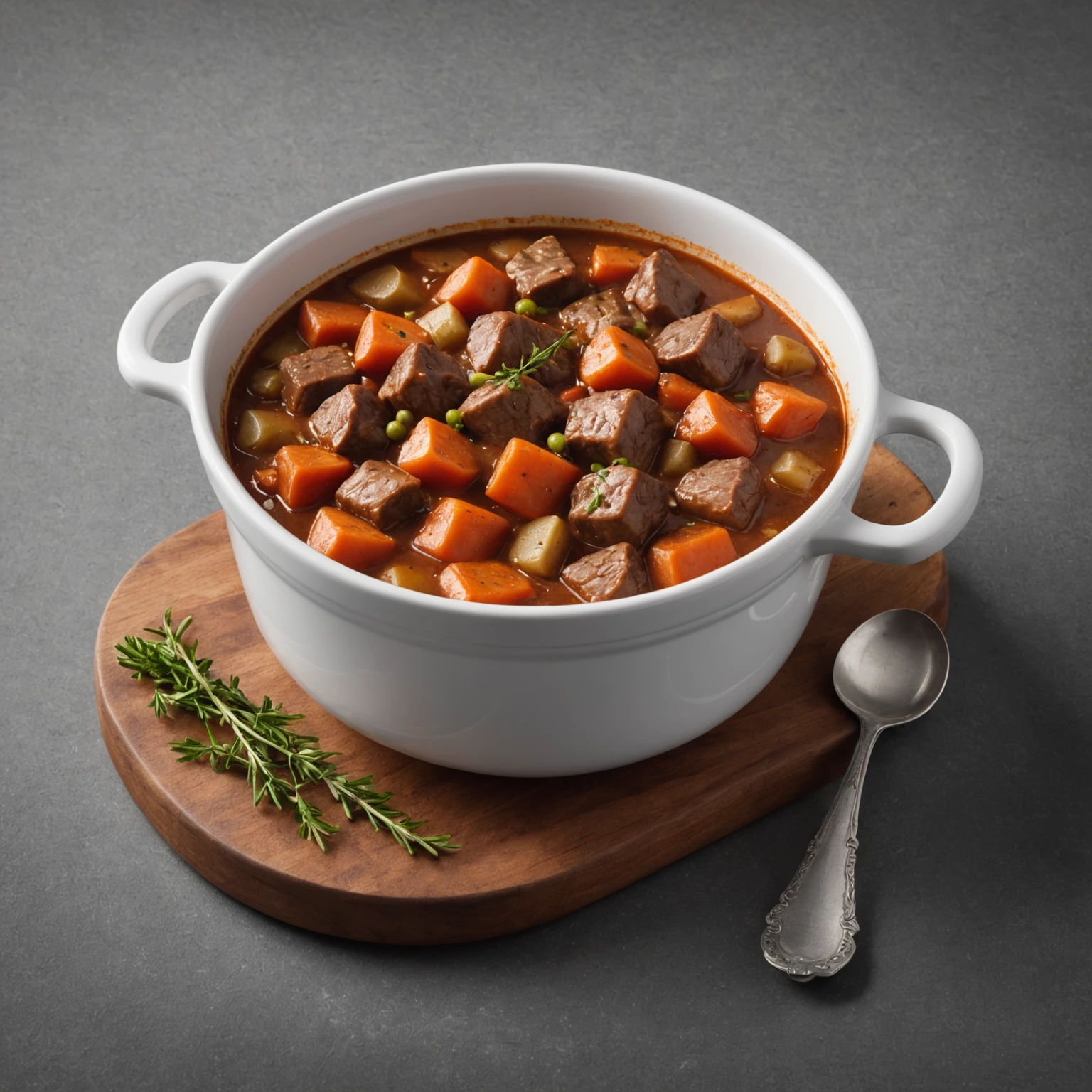
- Opt for gentle simmering when preparing stews or braised dishes to cook foods thoroughly yet delicately.
Balanced application of heat ensures your food remains both flavorful and nutrient-rich.
Stirring with Care: Achieving Even Cooking Without Loss
Consistent, gentle stirring prevents sticking and promotes even heat distribution. However, excessive stirring may damage delicate ingredients and reduce nutritional value. Aim to stir enough to maintain texture and nutrient integrity without overworking the ingredients.
Enhancing Dishes with Acidity
Adding acidic elements such as lemon juice, vinegar, or tomatoes near the end of cooking brightens flavors and can improve nutrient absorption — for example, vitamin C enhances iron uptake. These elements introduce freshness and balance to otherwise rich, slow-simmered meals.
Practical Application: Exemplary Recipes Using These Techniques
The One-Pot Creamy Tomato Basil Pasta illustrates flavor layering by sautéing garlic and onions initially, then deglazing with broth before adding pasta and tomatoes to create a creamy, indulgent sauce without excess fat. Similarly, the Instant Pot Moroccan Chickpea Stew demonstrates spice blooming, strategic deglazing, and precise pressure cooking to yield tender, flavorful chickpeas.
Tips for an Elevated One-Pot Cooking Experience
- Select Quality Cookware: Heavy-bottomed or nonstick pots distribute heat evenly, reducing hotspots and burning.
- Prepare Ingredients Ahead: Pre-chop vegetables and measure proteins to speed up cooking and ensure proper timing.
- Experiment with Flavors: Vary herbs, spices, and acidic components to keep meals fresh and exciting.
- Allow Resting Time: Let cooked dishes rest off heat to enable flavors to meld fully.
Conclusion
Adopting these essential one-pot cooking techniques can transform simple meals into vibrant, practical dishes, perfectly suited for busy individuals. By applying mindful layering, effective deglazing, precise heat control, and attentive timing, you create satisfying meals that are as practical as they are hassle-free. Embrace these insights to enjoy every practical, flavorful bite with ease.