One-pot and one-pan cooking methods are renowned for their convenience and minimal cleanup, but they also play a significant role in enhancing nutrient retention. Understanding how these methods affect vitamins and minerals can help you prepare meals that maximize nutritional benefits without compromising on flavor or simplicity.
Why Retaining Nutrients in Cooking Matters
Vitamins and minerals are essential to immune function, energy production, and cellular repair. However, nutrients like vitamin C and B-complex vitamins are sensitive to heat and water loss during cooking. One-pot and one-pan techniques reduce ingredient transfers and limit exposure to excess water, lowering nutrient degradation compared to practical boiling where valuable nutrients leach into discarded water.
Strategic Ingredient Layering to Preserve Nutrition
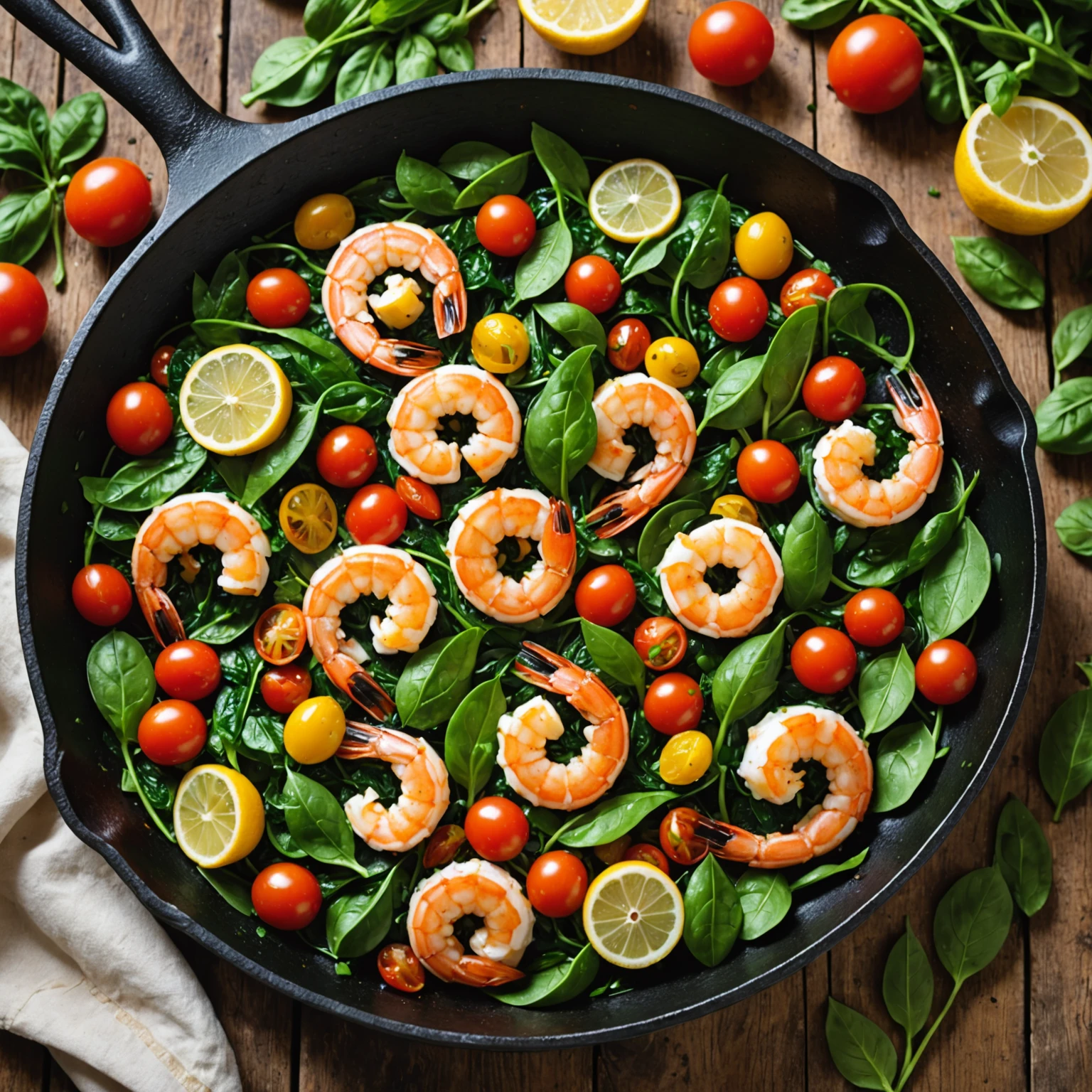
The order in which ingredients are added impacts their exposure to heat and cooking duration, thereby influencing nutrient preservation. Position dense vegetables and proteins requiring longer cook times at the bottom of the cooking vessel to ensure thorough and even heating. Add delicate and quick-cooking ingredients—such as leafy greens, fresh herbs, and tender vegetables—later or on top to protect their sensitive nutrients and vibrant color.
For instance, whole grains and dried legumes benefit from extended cooking at the base, while spinach and herbs retain their antioxidants best when incorporated near the end. This layering technique balances thorough cooking with nutrient conservation for well-rounded, flavorful dishes.
Choosing Cookware That Enhances Nutrient Retention
Your choice of cookware can affect nutrient preservation. Materials with excellent heat conductivity—like enameled cast iron or stainless steel—provide consistent temperature and moisture retention, helping lock in vitamins and minerals. Heavy, tight-fitting lids are valuable for trapping steam and nutrients.
Nonstick pans are advantageous for one-pan meals because they require less oil and minimize sticking, which reduces food waste and nutrient loss. Avoid aluminum cookware, especially when cooking acidic foods, as it may influence nutrient availability. Select cookware compatible with your stove type, including induction-ready options when applicable.
Optimizing Cooking Time and Temperature
While one-pot meals often simmer gently to develop flavors, overcooking can deteriorate heat-sensitive nutrients. Use moderate heat and monitor cooking progress to minimize nutrient loss.
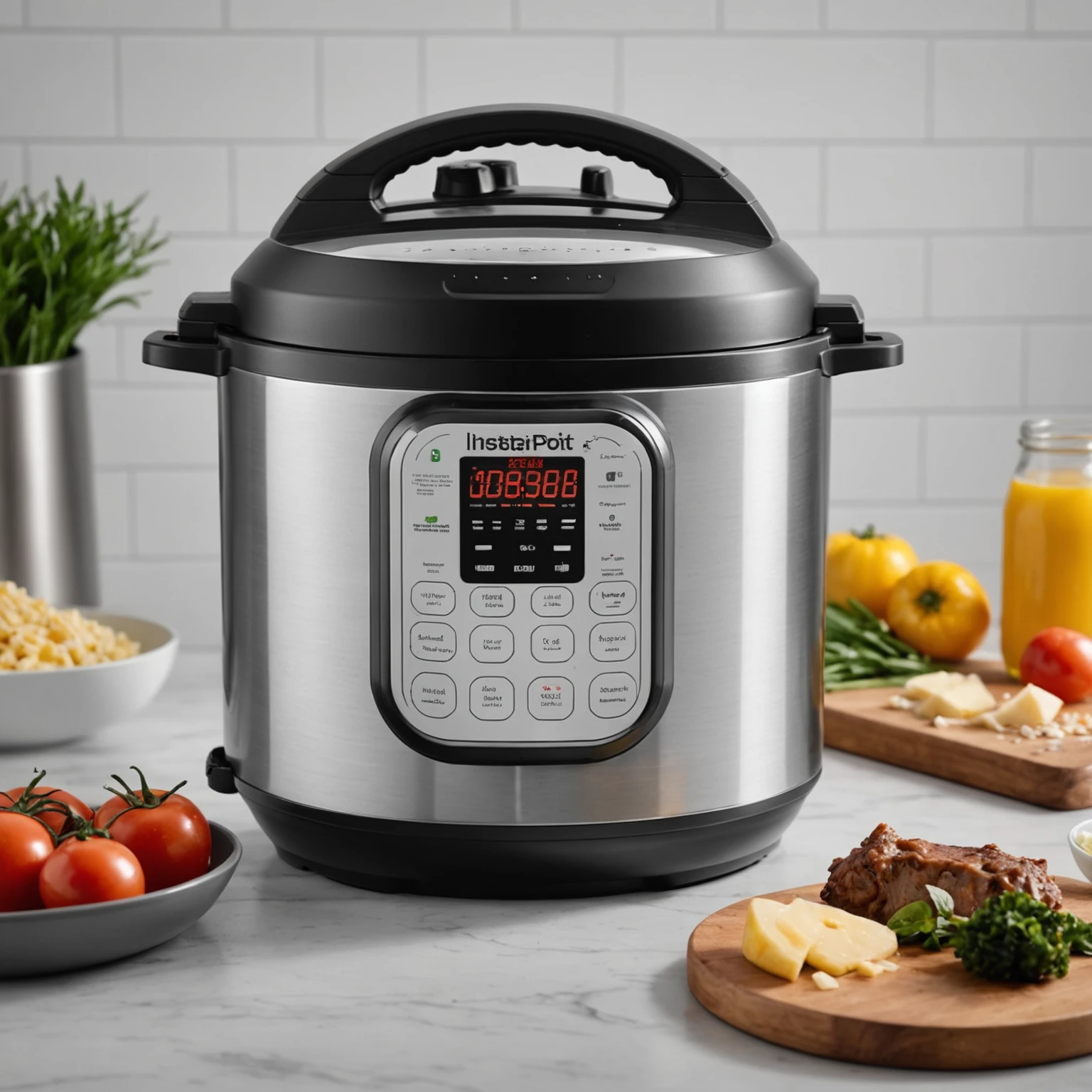
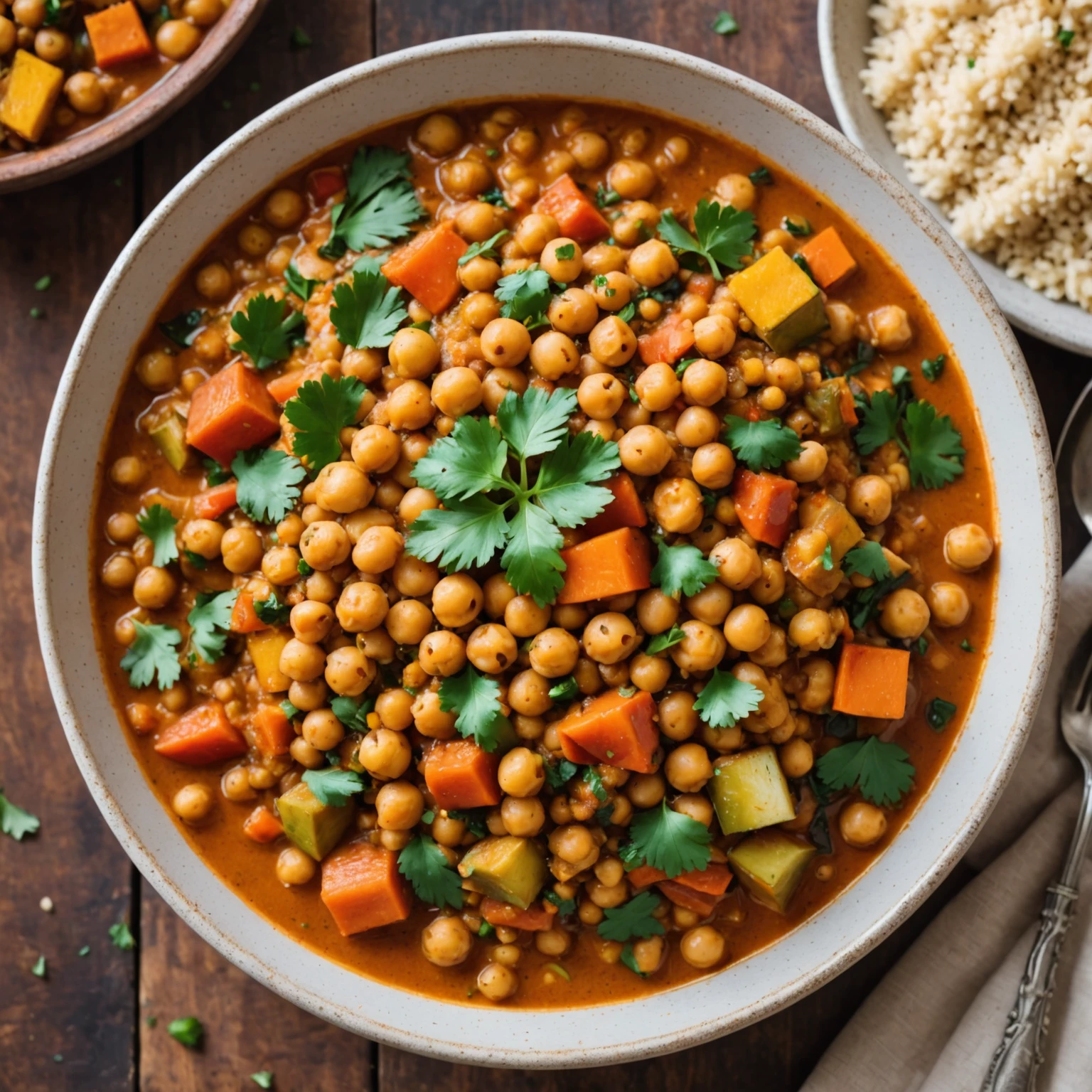
Pressure cookers and Instant Pots are especially effective for nutrient preservation as they use high-pressure steam to cook quickly, reducing degradation. PanPotPlates recipes like the Instant Pot Moroccan Chickpea Stew exemplify how pressure cooking maintains both flavor and nutrition.
Using Broths and Sauces to Recover Nutrients
One-pot meals typically cook ingredients in broths, stocks, or sauces, which recovers water-soluble vitamins and minerals that might otherwise be lost. Nutrient-rich bases from simmered bones, vegetables, or legumes amplify the meal’s nutritional profile while adding depth of flavor.
Efficient Batch Cooking and Storage Tips
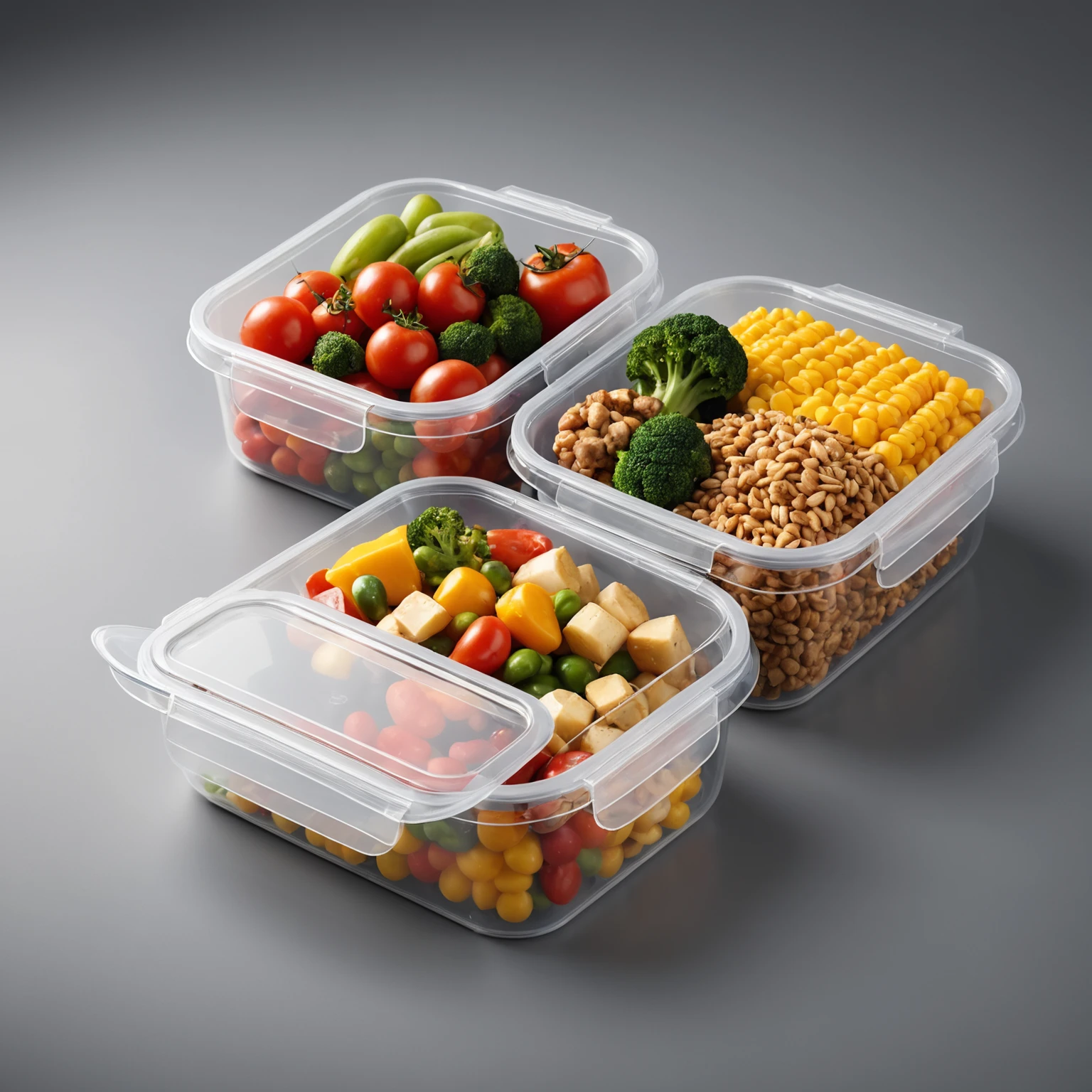
Batch cooking nutrient-dense one-pot meals supports consistent practical eating throughout the week. Store leftovers in airtight containers and freeze promptly to preserve nutrients. Reheat gently—preferably on the stovetop with a splash of broth or water, or in the microwave—to maintain moisture and nutrient integrity.
Recommended Nutrient-Rich One-Pot Meal Ideas
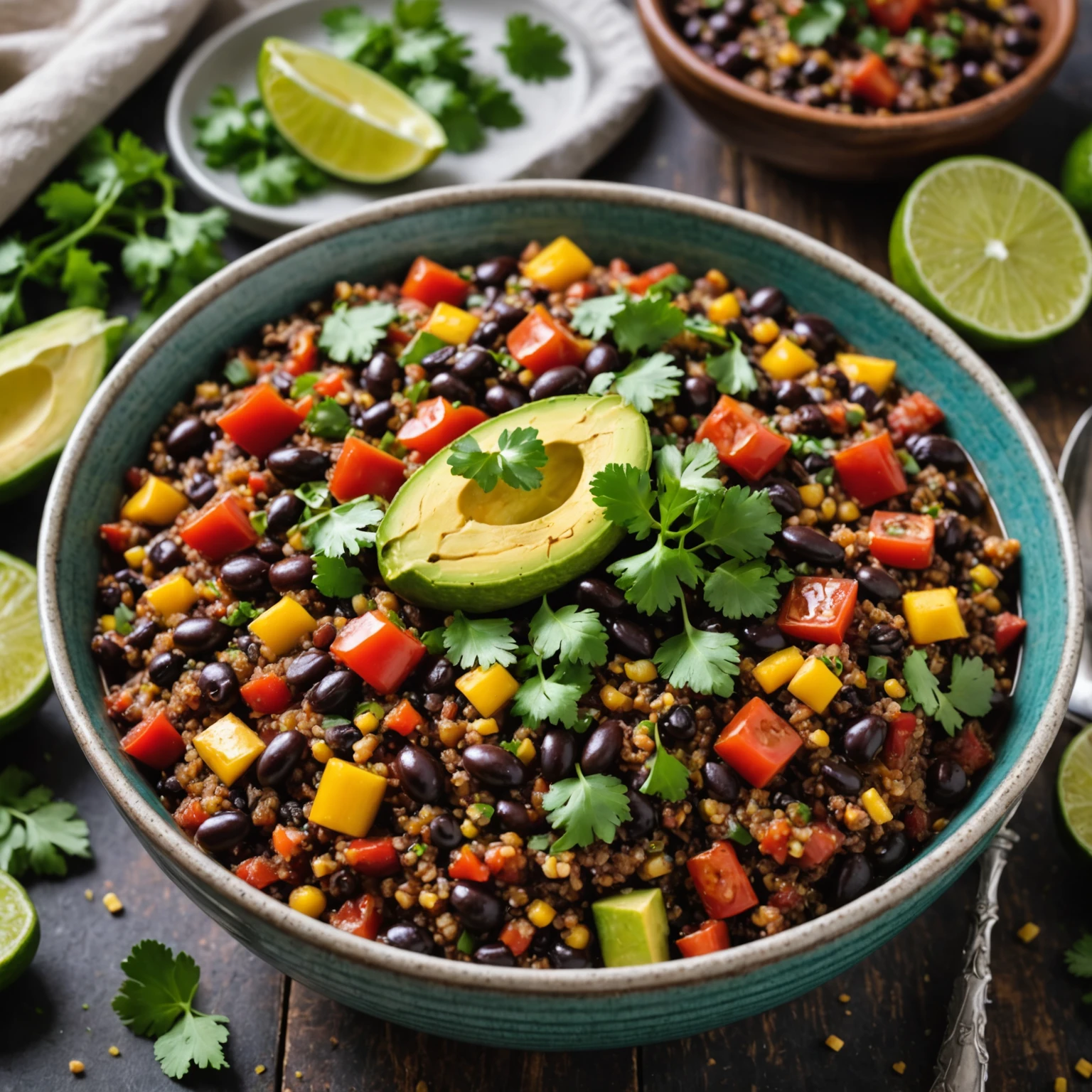
Implement these nutrient retention strategies with recipes such as the practical One-Pot practical Quinoa and Black Bean Chili or the savory Instant Pot Moroccan Chickpea Stew. These meals demonstrate how wholesome ingredients and mindful cooking enhance both convenience and nutritional value.
Final Thoughts
Maximizing nutrient retention through one-pot and one-pan cooking is achievable by applying thoughtful ingredient layering, selecting appropriate cookware, and regulating cooking temperature. These practices align with PanPotPlates’ mission to offer wholesome, easy-to-prepare meals that nourish families and fit busy routines.
Incorporate these techniques in your next cooking session to enjoy dishes that deliver optimal nutrition, convenience, and delicious flavor.