One-pot and one-pan meals have transformed home cooking by blending convenience, robust flavor, and minimal cleanup. However, maintaining your cookware in excellent condition after cooking requires intentional care and suitable cleaning methods. This detailed guide goes beyond recipes to offer practical advice on how to preserve your pots and pans, streamline your kitchen cleanup, and extend the life of your cookware.
Understand Your Cookware Materials for Optimal Care
Cleaning and maintenance routines should correspond to your cookware’s material:
- Nonstick Cookware: Protect the delicate nonstick coatings by always cleaning with soft sponges. Avoid abrasive cleaners, metal scrubbers, or harsh chemicals that can damage the surface and reduce longevity.
- Cast Iron Skillets: Require specialized care. Refrain from using soap if possible, dry immediately to avoid rust, and apply regular seasoning with oil to reinforce a natural, durable nonstick layer.
- Stainless Steel Pots and Pans: Durable and often dishwasher-safe, but stubborn food residues benefit from soaking and gentle scrubbing with non-abrasive pads.
- Electric Multi-Cookers (e.g., Instant Pot): Promptly remove and wash the inner pot to prevent staining. Clean lids and sealing rings frequently to avoid buildup of odors and ensure appliance functionality.
Effective Immediate Cleanup Techniques
Taking quick action right after cooking significantly eases the cleanup process:
- Soak While Warm: When safe, fill cookware with hot water and dish soap shortly after use to loosen dried-on food particles.
- Baking Soda Paste: Utilize a paste made from baking soda and water as a mild abrasive to tackle persistent stains without harming surfaces.
- Avoid Metal Scrapers and Utensils: These can scratch surfaces, especially nonstick coatings, accelerating wear.
Natural and Eco-Friendly Cleaning Solutions
For those preferring chemical-free methods, consider these natural cleaning options:
- Vinegar Boil Method: Simmer equal parts water and white vinegar in your cookware to lift burnt or stuck-on residues, then scrub gently.
- Lemon and Salt Rub: This combination works well for cast iron and stainless steel, imparting freshness while breaking down stains naturally.
Smart Storage and Long-Term Maintenance Practices
Proper storage protects your cookware and helps maintain performance over time:
- Ensure Thorough Drying: Particularly critical for cast iron to prevent rust; drying on low heat or with absorbent cloths is recommended.
- Use Liners When Stacking: Place soft cloths or paper towels between pans to protect surfaces and prevent scratching.
- Inspect and Replace Seals Regularly: For electric multi-cookers, check silicone rings and valves consistently to maintain safety and optimal appliance operation.
Time-Saving Habits to Boost Kitchen Cleanup Efficiency
Integrate these habits to simplify chores without sacrificing cookware care:
- Dedicated Cleaning Tools: Assign separate sponges or brushes to delicate cookware and more resilient pots to avoid cross-contamination of abrasives.
- Clean As You Cook: Rinse utensils and prep tools during cooking downtime to reduce post-meal mess.
- Schedule Periodic Deep Cleans: Monthly maintenance including cast iron re-seasoning and thorough soaking enhances cookware longevity.
Enhance Your One-Pot Cooking with Easy-to-Maintain Recipes
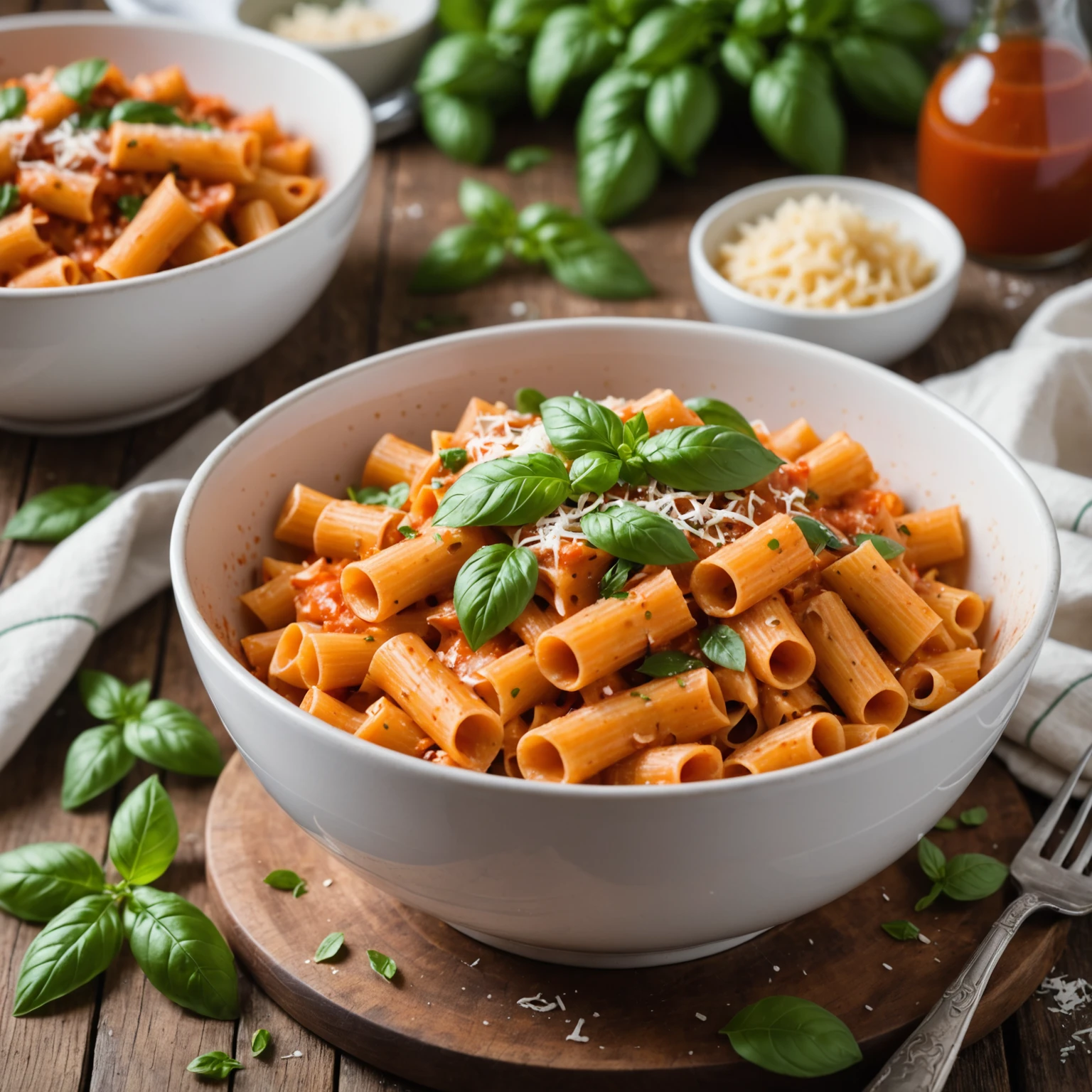
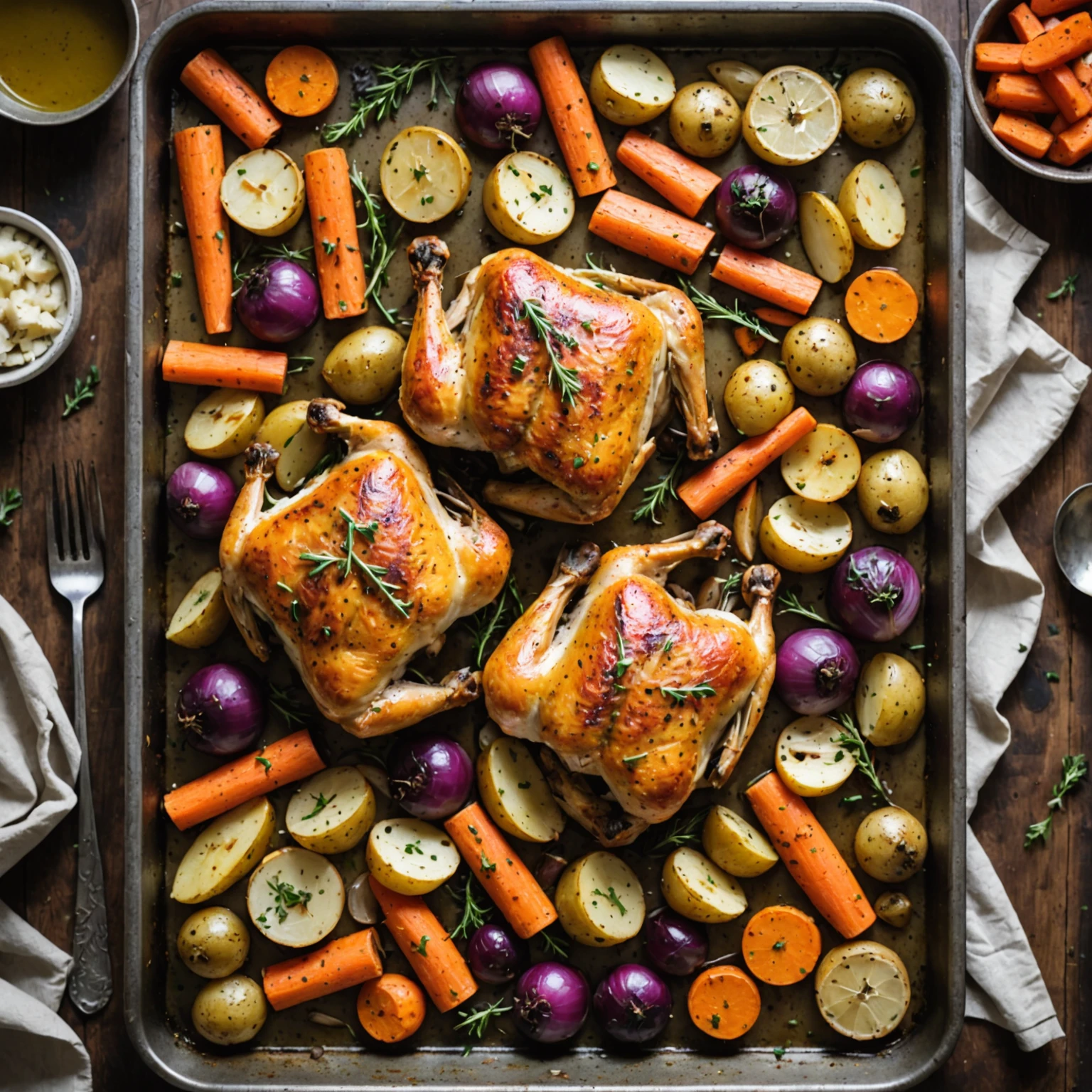
Pair your cookware maintenance knowledge with flavorful, low-mess dishes such as the satisfying One-Pan Herb-Roasted Chicken with Root Vegetables or the richly spiced Instant Pot Moroccan Chickpea Stew. Both recipes utilize cookware types that benefit from the cleaning and care strategies outlined here.
Conclusion
One-pot and one-pan cooking simplifies mealtime but requires thoughtful cleanup and consistent care to maximize cookware durability and kitchen efficiency. By understanding your cookware’s specific needs and adopting these practical cleaning and storage practices, you enhance your cooking experience, reduce cleanup time, and preserve the quality of your kitchen tools for years to come.