Cooking Techniques
PanPotPlates
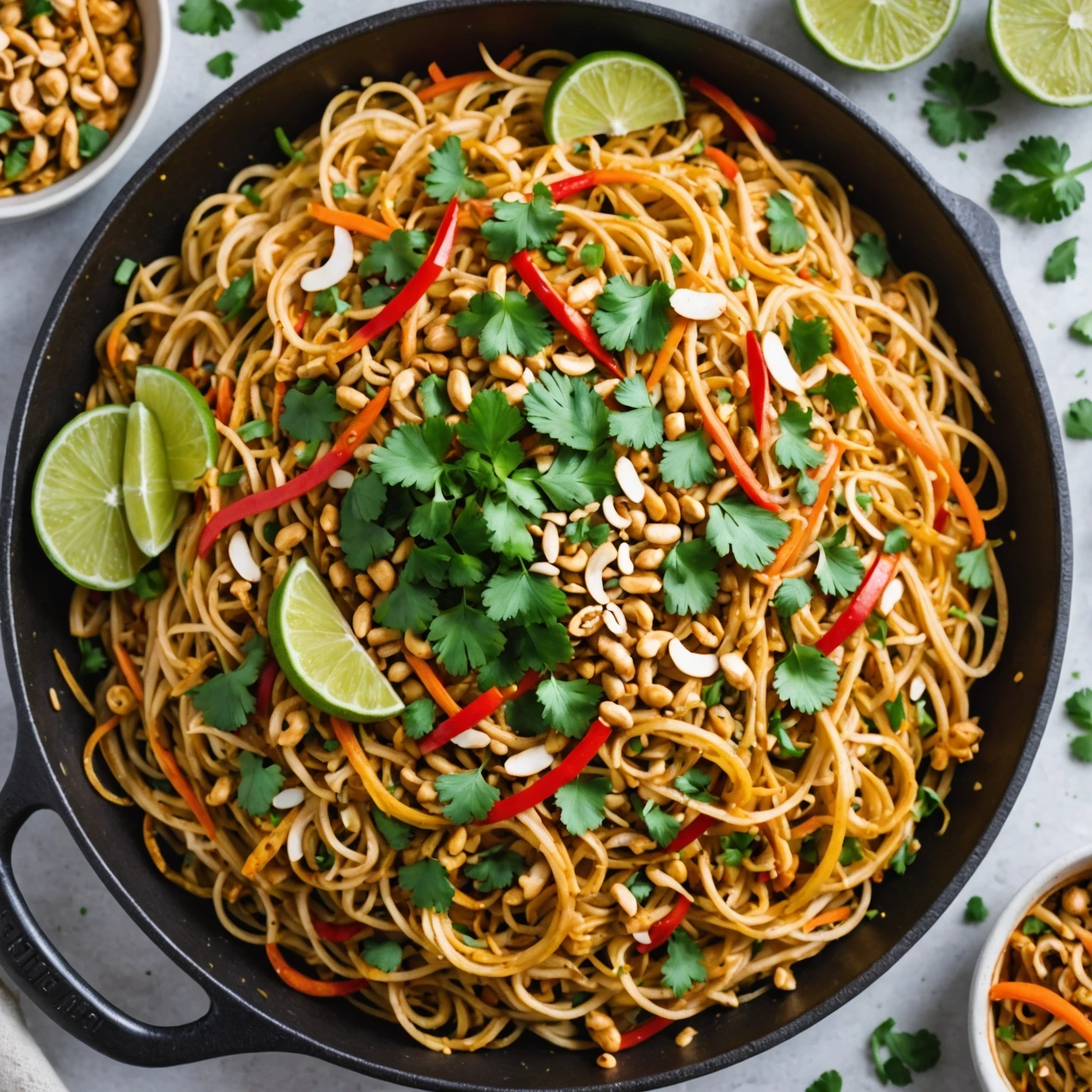
One-Pot Spaghetti Squash Pad Thai
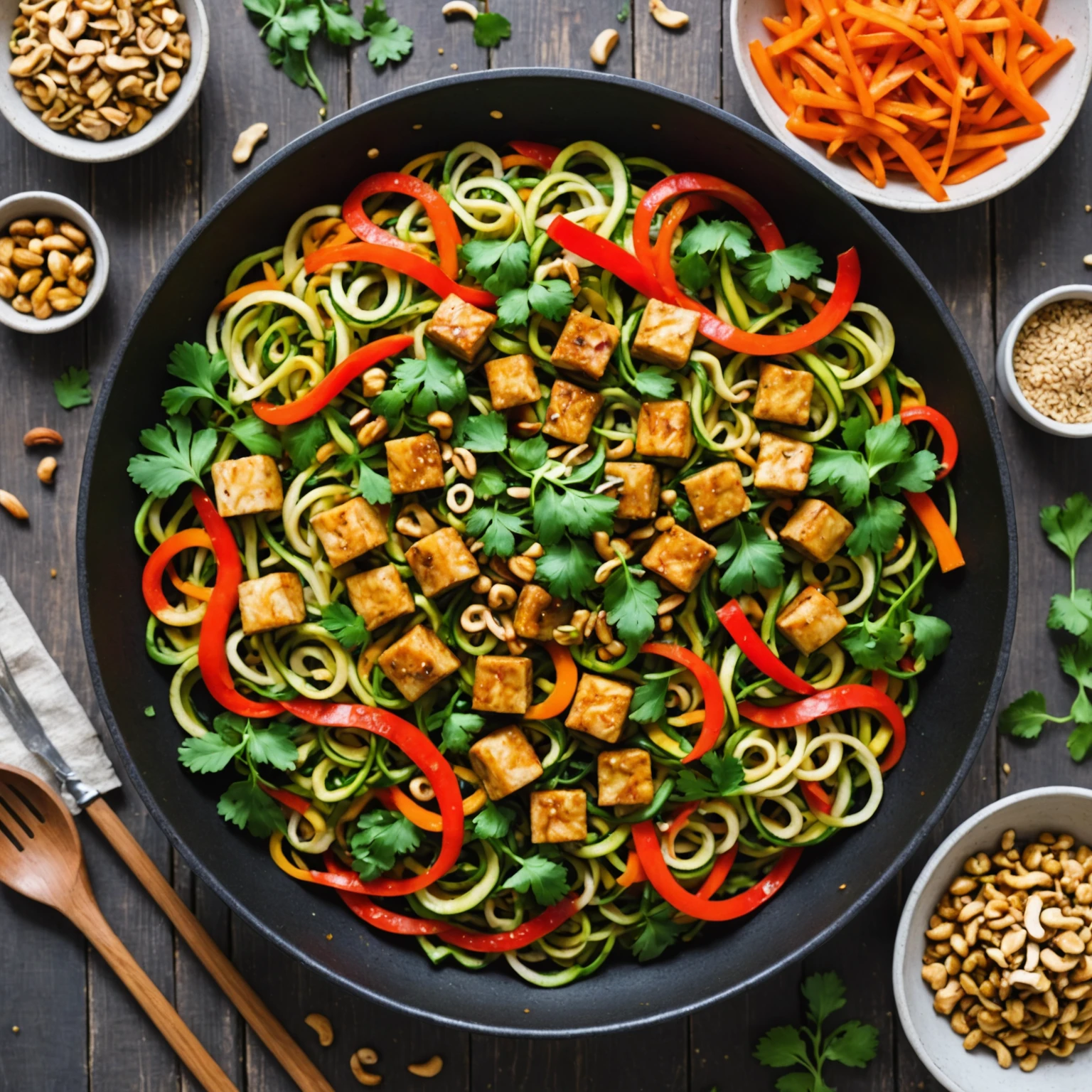
A vibrant, healthy, and delicious Thai-inspired vegan Pad Thai made in one pot using spaghetti squash as a low-carb noodle substitute. This gluten- and dairy-free recipe is quick, family-friendly, and perfect for easy weeknight meals.
Ingredients
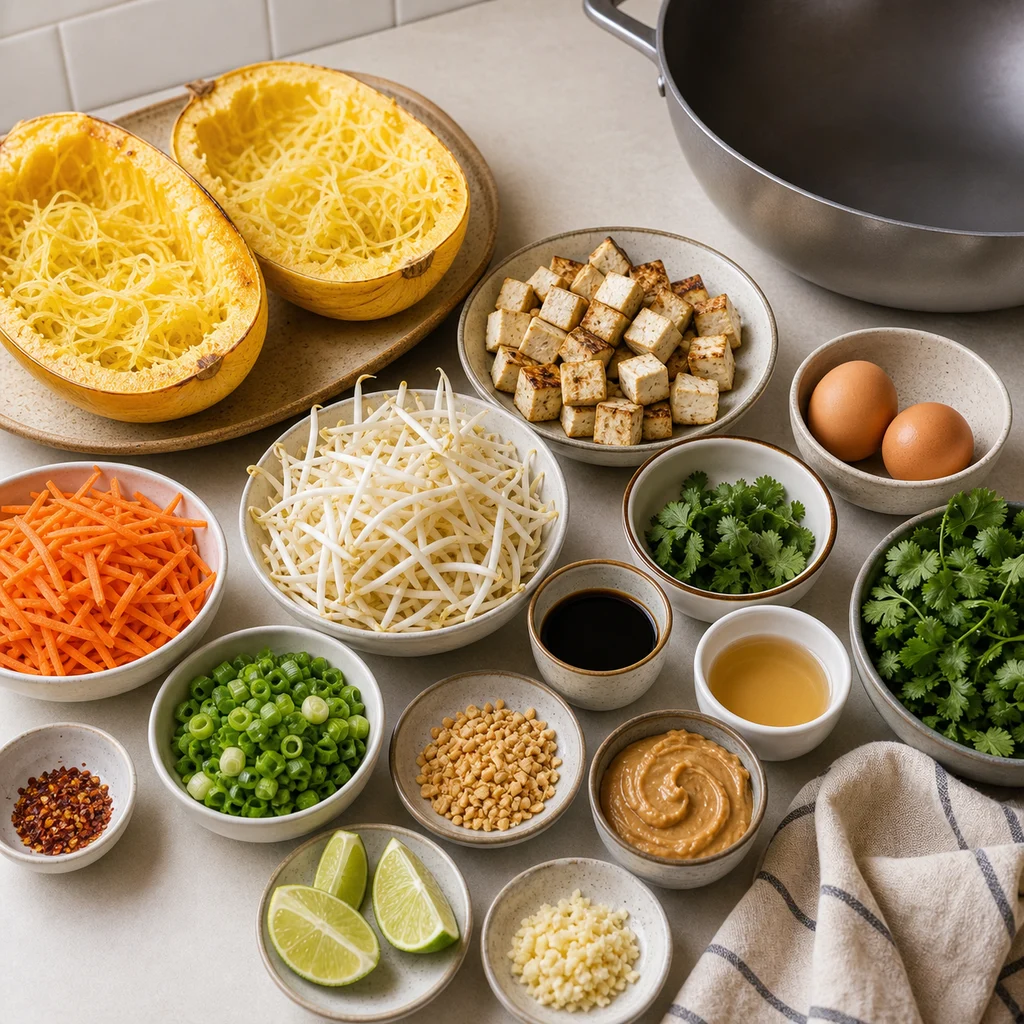
- 1 medium spaghetti squash (about 3 pounds), halved and seeded
- 1 tablespoon coconut oil
- 1 red bell pepper, thinly sliced
- 2 medium carrots, julienned
- 3 green onions, chopped (separate white and green parts)
- 3 cloves garlic, minced
- 1 cup green cabbage, thinly sliced
- 1 cup bean sprouts, rinsed
- 1/2 cup chopped fresh cilantro
- 1/4 cup chopped roasted peanuts (optional, for garnish)
- For the sauce
- 3 tablespoons tamari (gluten-free soy sauce)
- 2 tablespoons pure maple syrup
- 1 tablespoon fresh lime juice
- 1 tablespoon rice vinegar
- 1 teaspoon sriracha or chili garlic sauce (adjust to taste)
- 1/2 teaspoon toasted sesame oil
- 1/4 cup creamy natural peanut butter
- Water as needed to thin sauce
Instructions
-
Preheat oven to 400°F (200°C). Place spaghetti squash halves cut side down on a parchment-lined baking sheet. Roast for 35-40 minutes or until tender when pierced with a fork.
-
While the squash roasts, prepare the peanut sauce. Whisk together tamari, maple syrup, lime juice, rice vinegar, sriracha, toasted sesame oil, and peanut butter until smooth. Add water, one tablespoon at a time, to reach a creamy, pourable consistency. Set aside.
-
Once the squash is done, allow it to cool slightly. Use a fork to shred the flesh into spaghetti-like strands and set aside.
-
Heat coconut oil in a large deep skillet or wide sauté pan over medium heat. Add the white parts of green onions and minced garlic; sauté for 2 minutes until fragrant.
-
Add red bell pepper, carrots, and cabbage. Stir-fry for 4-5 minutes until vegetables are tender-crisp.
-
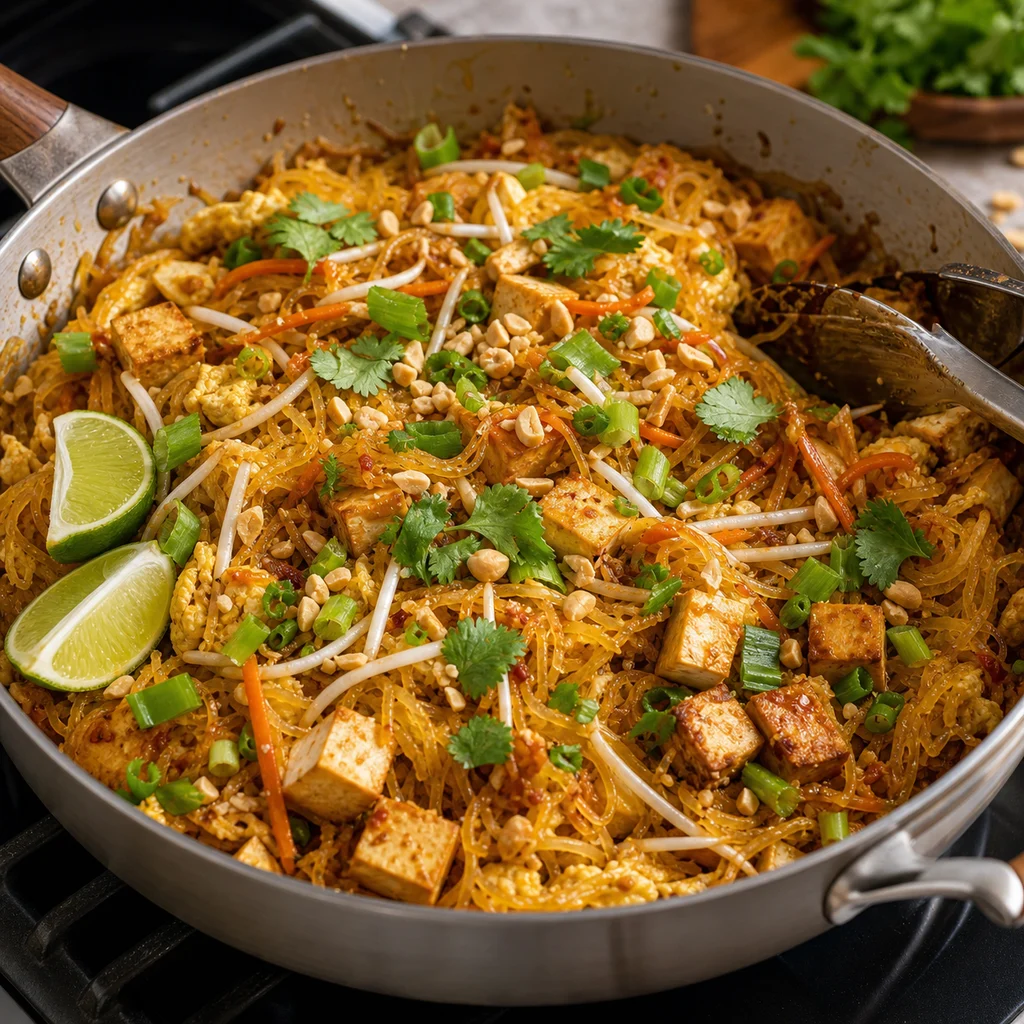
Add spaghetti squash strands and half of the peanut sauce. Toss well and cook for 2-3 minutes until heated through.
-
Add bean sprouts and remaining sauce; toss gently and warm for an additional minute.
-
Remove from heat and stir in chopped cilantro and green parts of the green onions.
-
Serve warm, garnished with chopped roasted peanuts if desired, lime wedges on the side, and extra sriracha for added heat.
Frequently Asked Questions
Reader questions and answers for this recipe will appear here.
Customize this One-Pot Vegan Spaghetti Squash Pad Thai with these ingredient substitutions to suit your preferences or pantry while keeping it quick, healthy, and family-friendly:
- Spaghetti Squash: Replace with zucchini noodles (zoodles) or shirataki noodles for alternate low-carb bases.
- Coconut Oil: Swap for avocado oil or light olive oil for a mild, heart-healthy option.
- Tamari (Gluten-Free Soy Sauce): Substitute with liquid aminos or coconut aminos to maintain gluten-free status.
- Maple Syrup: Use agave nectar or brown rice syrup for varying natural sweetness.
- Natural Peanut Butter: Replace with almond or sunflower seed butter to accommodate nut allergies or flavor preferences.
- Sriracha or Chili Garlic Sauce: Exchange with sambal oelek or mild chili paste to adjust the spice profile.
- Bean Sprouts: Use snap peas or thinly sliced snow peas for a crisp alternative.
- Fresh Cilantro: Try basil or mint for a different herbal brightness.
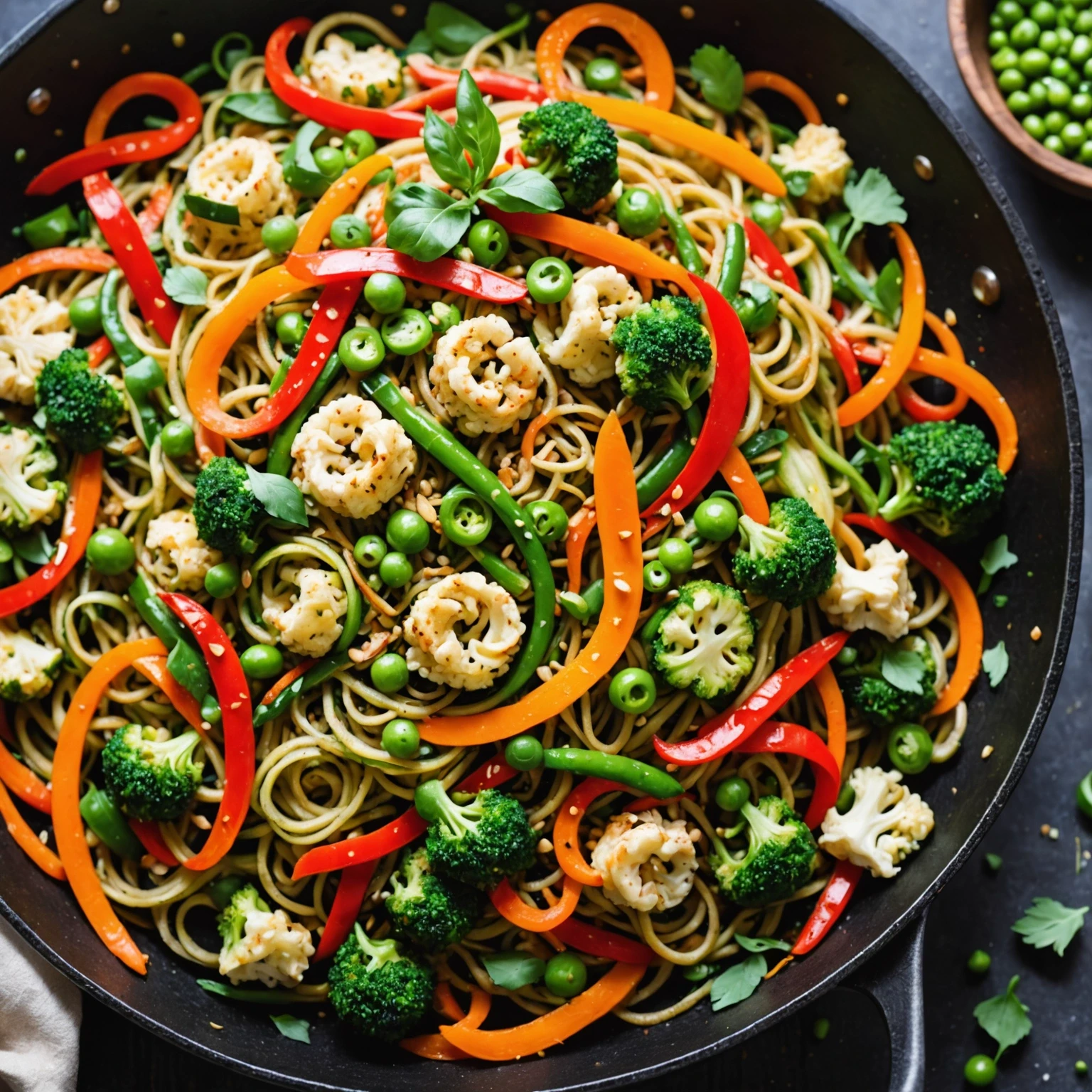
- Vegetables: Add seasonal veggies such as broccoli florets, baby corn, or snap peas to enhance nutrition and variety.
These swaps maintain this dish’s flavorful Thai-inspired profile while keeping it suitable for diverse dietary needs and tastes.
Pan Or Pot Required
For this One-Pot Vegan Pad Thai, a large, deep skillet or wide sauté pan is ideal. This single vessel lets you sauté fresh vegetables, combine them with the spaghetti squash strands, and mix everything with the creamy peanut sauce effortlessly. The skillet's spacious surface and higher sides enable easy stirring and tossing without spills.
Since the spaghetti squash is roasted separately on a baking sheet, minimal extra cookware is needed. The skillet keeps this Thai-inspired meal quick, easy, and clean-up friendly—perfect for busy weeknights and meal prep.
This cookware choice supports PanPotPlates' focus on efficient, flavorful one-pot vegan recipes that are both family- and kid-friendly.
Cookware Size Guidance
Choose a large deep skillet or wide sauté pan with at least 4 to 5 quarts (3.8 to 4.7 liters) capacity. This ensures enough space to stir-fry vegetables, gently toss spaghetti squash strands with sauce, and combine ingredients without overcrowding, preserving texture and even cooking.
You'll also need a baking sheet lined with parchment paper for roasting the spaghetti squash halves, which you then transfer to your skillet for the final assembly.
Selecting the correct size cookware maintains the dish's authentic flavor and supports the easy-cleanup, one-pot cooking method prized in this recipe.
Cookware Swap Guidance
This one-pot vegan Pad Thai recipe is crafted for simplicity, flavor, and weeknight convenience. The recommended cookware is a large deep skillet or wide sauté pan, excellent for sautéing and tossing vegetables and noodles.
If unavailable, suitable alternatives include:
- Large Dutch Oven or Heavy-Bottomed Pot: Offers sufficient depth for mixing and cooking in one pot.
- Cast Iron Skillet (with Lid): Use if deep, with the lid helping to retain moisture.
- Nonstick Frying Pan with High Sides: Facilitates easy cooking and cleanup.
- Wide Stir-Fry Pan or Wok: Perfect for fast, flavorful stir-fries that align with this recipe's style.
Avoid shallow frying pans or sheet pans as they lack sufficient depth for tossing ingredients without spills.
For roasting, you may substitute the parchment-lined baking sheet with a roasting pan or cast iron skillet that fits your oven. Alternatively, using pre-cooked spaghetti squash can speed preparation while keeping the dish gluten-free, low-carb, and dairy-free.
Leftovers Quality
This flavorful One-Pot Spaghetti Squash Pad Thai stores well in the refrigerator for up to 3 days, making it a fantastic option for meal prep and easy weekday dinners. Thanks to its fresh vegetables, peanut sauce, and gluten- and dairy-free ingredients, it maintains excellent texture and taste when properly stored.
Allow to cool fully before transferring to an airtight container. Refrigerate promptly and avoid leaving out at room temperature for longer than 2 hours.
Reheat gently in a skillet over medium heat, stirring to restore creaminess without drying. Alternatively, microwave in short 1-minute bursts, stirring between, and add a splash of water or extra peanut sauce to refresh the texture.
You can also freeze leftovers for up to 1 month in a sealed container. Thaw overnight in the fridge and reheat using your preferred method for a nutritious, ready-made meal.
Following these tips ensures your leftover Pad Thai remains delicious, convenient, and nourishing.
Related Articles
Read related air fryer guides and cooking tips.
More Recipes
Explore more recipes you may like.
Reviews
Rate this recipe and share a photo of your result.
No reviews yet.
Save this recipe
Log in to keep this recipe in your favorites.
Reset password Register