When one-pot pasta looks watery, check the pasta before you turn up the heat. Firm pasta still needs cooking liquid; tender pasta may need to be protected while you finish the sauce. The amount of liquid on its own does not tell you which problem you have.
This guide covers stovetop pasta cooked in its sauce. Pressure cookers need their own tested liquid and release instructions; do not apply these adjustments inside a sealed pressure cooker.
Before changing anything, check the pasta
Take a piece from the pan with a clean utensil, let it cool enough to taste, and check its center. Then look at the pan: is there a shallow loose sauce, a large pool, or almost no visible liquid? Compare that combination with the recipe's current stage.
Read the original pan size, pasta quantity, liquid quantity and lid instructions. If you substituted a deeper pot, a different pasta or a different tomato product, note that change. Do not add a second full recipe quantity of water because the pasta initially looks only partly submerged.
Budget Bytes' published one-pot pasta troubleshooting uses both pasta texture and remaining liquid to guide adjustments. That is a better decision point than relying on the clock alone.
If the pasta is still firm and the pan is wet
Continue the recipe's cooking process while enough liquid remains. Check that the pan is actually simmering and use the stated lid position. Extra liquid at this stage does not automatically mean the final sauce will be watery; the pasta is still cooking. Stir as directed and check another piece before changing the liquid.
If the pasta is nearly ready and the pan is wet
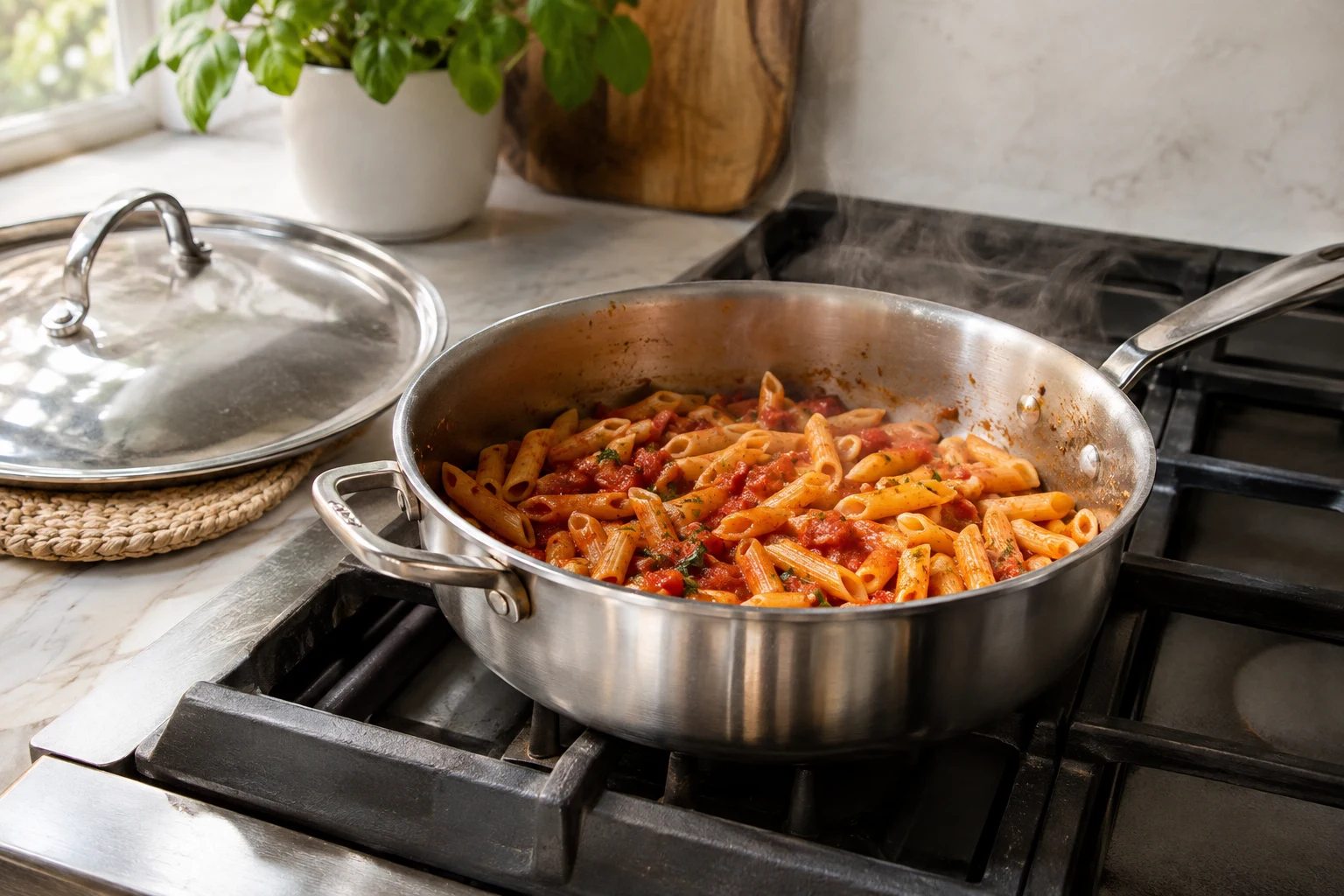
If the recipe permits it, finish the last part of cooking with the lid off so some liquid can evaporate. Keep checking texture and stir as the recipe directs. Budget Bytes recommends this approach when pasta is almost cooked but the sauce remains too loose.
If the pasta is already tender and the pan contains much more liquid than you want, consider lifting the pasta out with a slotted spoon while you reduce the sauce separately. This is an optional rescue approach, not a tested correction for every recipe. Return the pasta only briefly to combine, and accept that an overcooked batch may not recover its original texture.
Avoid adding flour directly to the pan as a first response. That starts a different thickening process without addressing whether the pasta itself is done.
If the liquid is gone but the pasta is firm
Add a small amount of water or the recipe's specified liquid and continue cooking at the prescribed simmer, checking again before adding more. Budget Bytes similarly suggests a little extra liquid when the pan dries before the pasta finishes.
Do not use this as a reason to leave the pan unattended. If food has stuck or scorched, adding liquid does not erase the burned flavor. Check the heat and the bottom of the pan gently rather than scraping aggressively and breaking the pasta.
Why there is no universal liquid ratio
A jar of sauce, canned tomatoes and plain broth contribute different things to a recipe. Pasta shape, quantity, pan and lid also belong to that recipe's setup. Use the measured ingredients in a complete recipe instead of treating a single internet ratio as a conversion for every sauce.
Try our one-pot creamy tomato basil pasta with its stated quantities and method first. For a different dinner, choose from our one-pot pasta collection, then follow that recipe rather than mixing the liquid instructions from several dishes.
When to stop adjusting
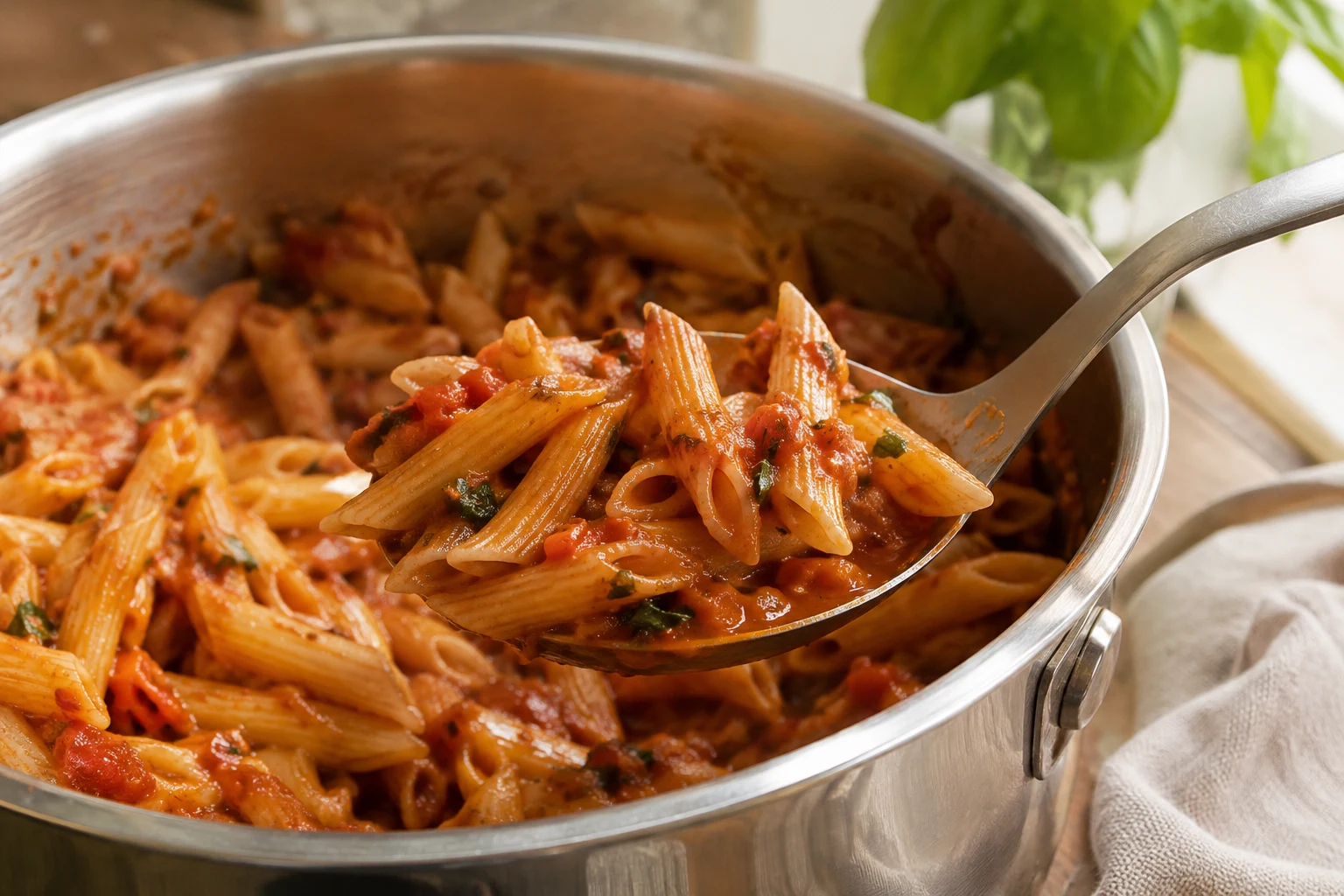
Once the pasta has the texture you want and the sauce coats it, stop cooking and follow the recipe's finishing step. Repeatedly adding liquid and simmering it away can push tender pasta past its best texture.
A useful note for next time
Record the pasta brand and shape, pan, lid position, substitutions and any extra liquid. If a dinner finishes too loose, those details help identify one change to make next time.
More recipes to try
Explore these orzo dishes with their own measured ingredients and cooking sequences. A salad and a saucy dinner may finish differently, so follow each recipe rather than applying one liquid ratio to all of them:
- One-Pot Lemon Garlic Prawn and Pea Orzo
- One-Pot Creamy Lemon Artichoke Orzo
- One-Pot Mediterranean Chickpea and Orzo Salad
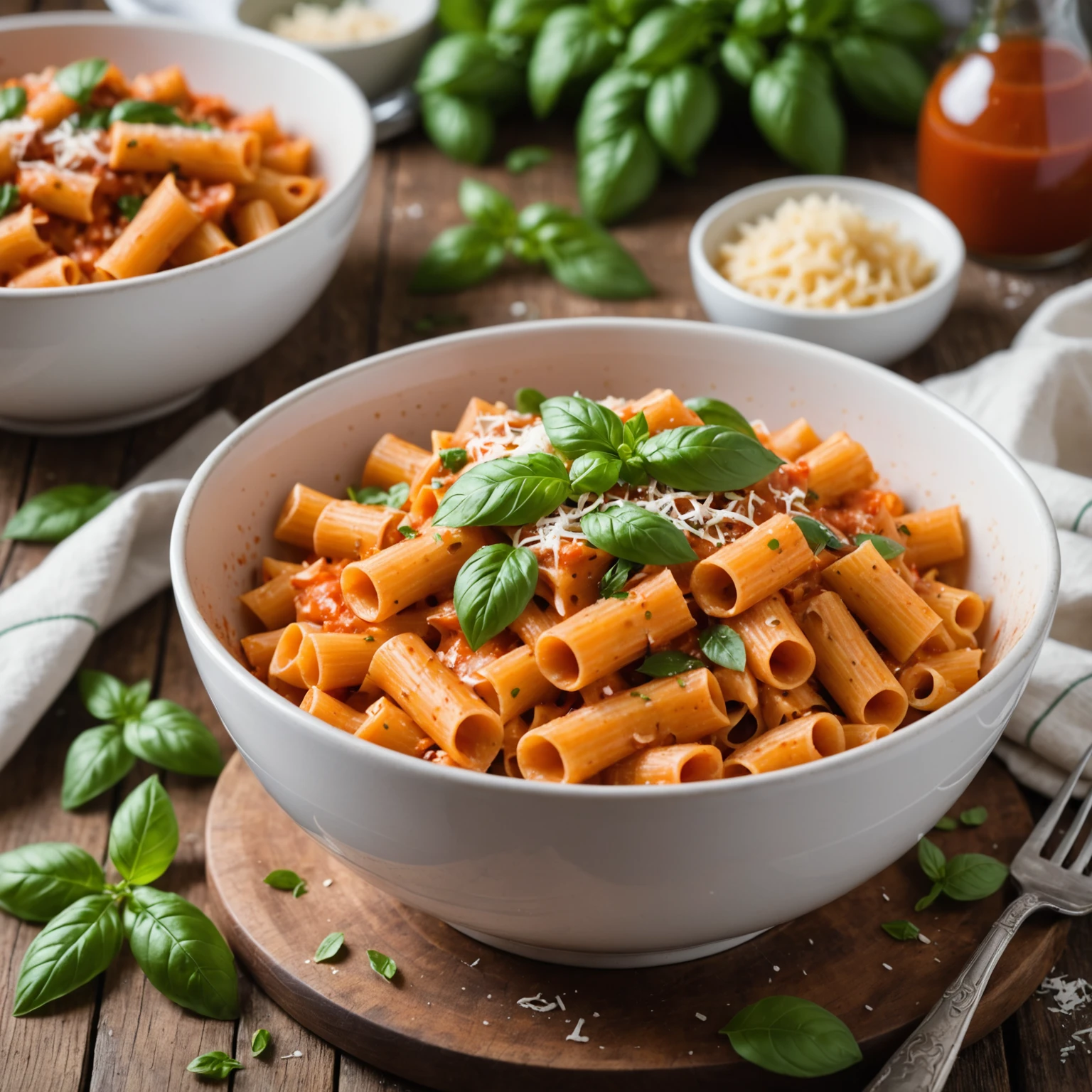
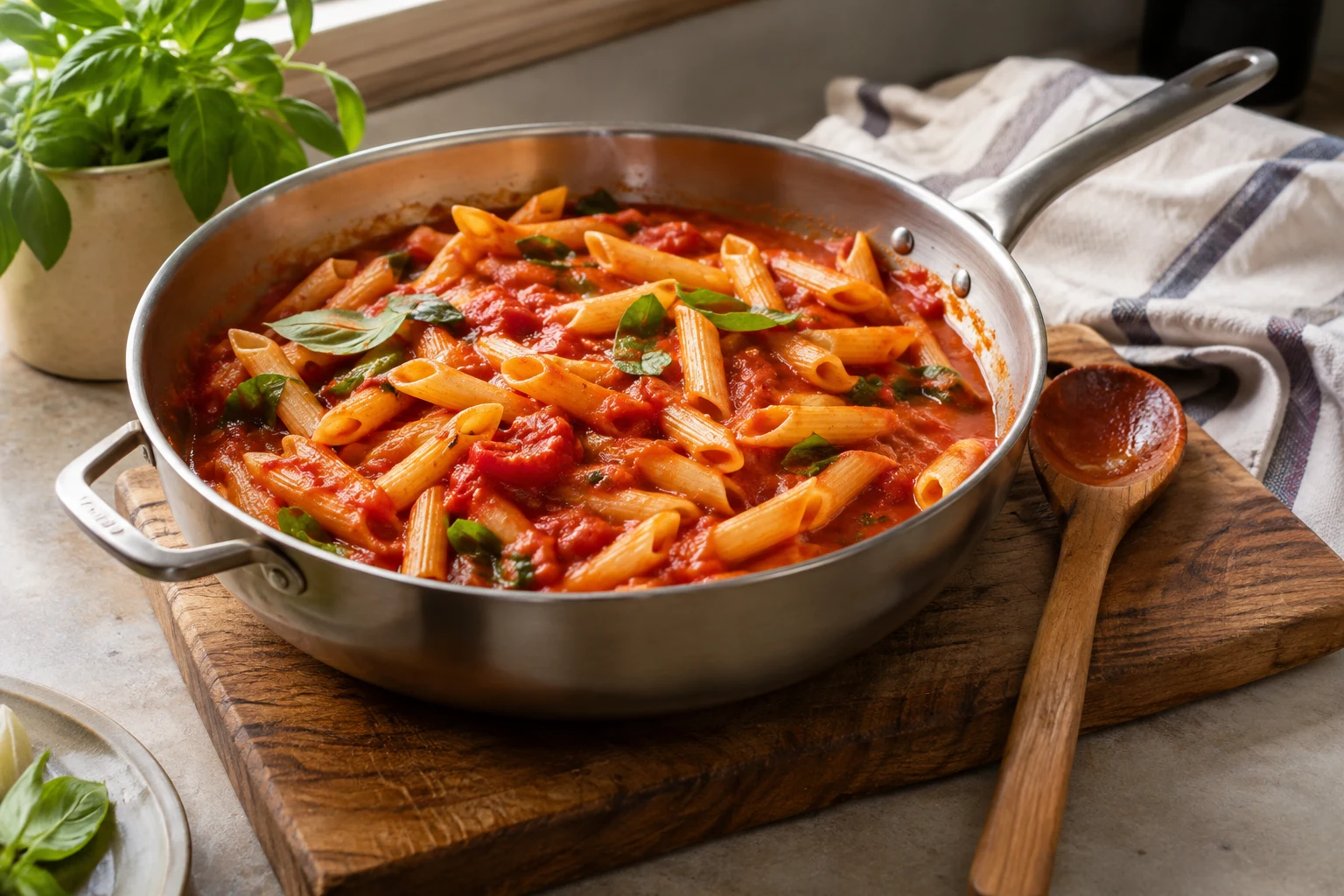
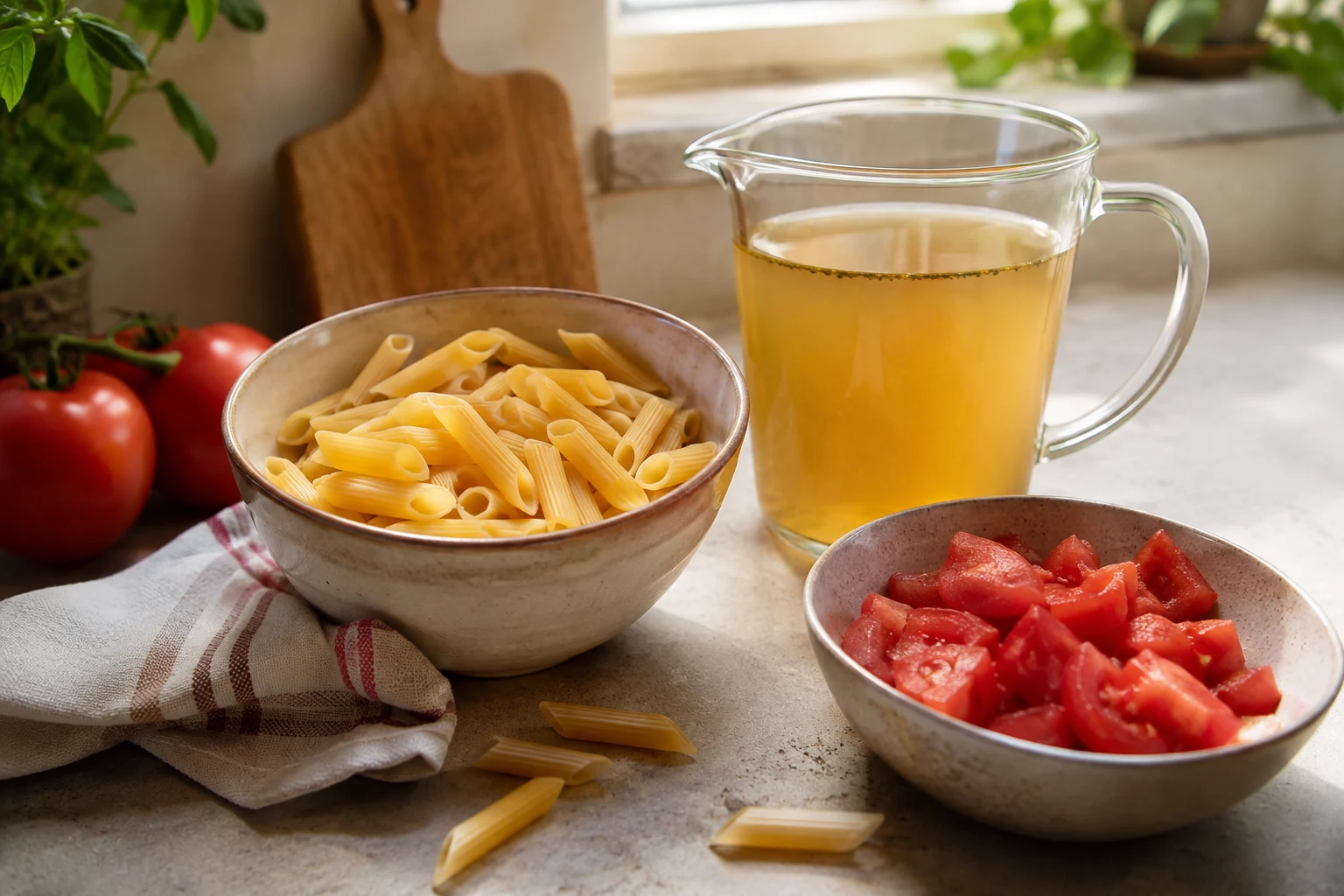
Published Budget Bytes recipe troubleshooting informs this guide. AI-generated photographic-style images illustrate possible stages; they are not measured results from a trial of these adjustments.